
From the humidor at Camden Cigars
The Cigar Guide
Everything worth knowing about a fine cigar, from the seed in the ground to the last inch of ash.
If you read nothing else
The guide in a minute
- Size is time. A petit corona is about 30 minutes; a robusto, 45 to an hour. Pick the time you have.
- Color is flavor, not strength. A dark maduro can be mild, and a pale cigar can be powerful.
- Strength, body and flavor are three different things. Nicotine, weight on the palate, and taste.
- Cut only the cap, toast before you light, don't inhale. About one puff a minute keeps it cool.
- Pair weight with weight. A mild cigar with a lighter pour; a full-bodied maduro with bourbon, rum or port.
- Ask us. Five questions at the counter and we'll put the right cigar in your hand.
New to cigars?
Start here
Five things worth knowing before your first one.
- 1
Start mild to medium
A Connecticut or natural wrapper, or a mild flavored cigar, in a robusto or corona.
- 2
Give it time
A robusto takes 45 minutes to an hour. Pick a size that fits the time you have.
- 3
Cut only the cap
Trim a sliver from the closed end. Cut too deep and the wrapper can come loose.
- 4
Toast, then light
Warm the foot until the edge glows evenly, then draw gently as you turn the cigar.
- 5
Don't inhale
Cigar smoke is for tasting. About one puff a minute keeps it lit and cool.
In the shop, we'll ask whether you like flavored or traditional, then about burn time, strength, price range and what you're drinking, and put a few good choices in your hand.
Six questions
Find your cigar
The same questions we ask in the humidor, plus one about the flavors you like. You'll get cigars from our shelves to try, the right size and a pairing.
Pick by the time you have
Shapes & sizes
A cigar's shape and size is its vitola. Pick the time you have to see what fits.
Petit Corona
4½ × 42About 30 minutes. A short classic, perfect with an espresso.
Corona
5½ × 4240 to 45 minutes. The benchmark: balanced, with the wrapper up front.
Culebra
5½ × 38 eachAbout 40 minutes each. Three slim cigars braided together. Unbraid them and smoke one at a time.
Corona Gorda
5⅝ × 4645 minutes to an hour. A fuller corona, and a quiet favorite.
Robusto
5 × 5045 minutes to an hour. One of today's most popular sizes: full flavor in under an hour.
Belicoso
5 × 5045 minutes to an hour. Robusto length with a short, tapered head.
Perfecto
5 × 4845 minutes to an hour. Tapered at both ends. It lights at a narrow tip, then opens up.
Lonsdale
6½ × 42About an hour. Long and slender, with plenty of wrapper flavor.
Toro
6 × 52An hour or a little more. A longer robusto. Toros are our Tuesday feature.
Torpedo
6 × 52An hour or a little more. A pointed head that concentrates the smoke. Torpedoes are our Thursday feature.
Pyramid
6¼ × 54An hour or a little more. Tapers steadily from a wide foot to a pointed head.
Lancero
7½ × 38An hour or more. Long and slim, all about the wrapper. A classic panetela.
Churchill
7 × 47About an hour and a half. Named for Sir Winston Churchill, who made it famous.
Double Corona
7½ × 50An hour and a half or more. A grand cigar for a long evening.
Gordo
6 × 60An hour and a half or more. A big ring that smokes cool and slow.
Every drawing is to the same scale. Sizes are length in inches × ring gauge, and every maker sizes a little differently.
Ring gauge, explained
Ring gauge is the diameter in 64ths of an inch, so a 50 ring is 50/64, just over three-quarters of an inch across. Shown here: 38, 42, 50 and 60, to scale.
A slimmer cigar tastes more of its wrapper and burns a little warmer. A thicker one puts more filler in every puff and smokes cooler and longer.
Straight-sided cigars are parejos. Shaped ones, like the torpedo, belicoso, pyramid, perfecto and culebra, are figurados. Also look for box-pressed cigars, pressed into a soft square, and the chisel, a wedge-shaped head made famous by La Flor Dominicana.
Tap a shade
Wrappers & color
The wrapper is the first thing you see and much of what you taste.
- Candela
- Also called double claro. Dried quickly to keep its green color: grassy, fresh and mild.
- Claro
- Pale tan, often shade-grown. Smooth, light and subtle.
- Colorado Claro
- Light brown with a reddish cast. Gentle sweetness and a little more depth.
- Colorado
- Reddish brown, sometimes called rosado. Aromatic, rich and balanced.
- Colorado Maduro
- Darker brown, between colorado and maduro. Richer and sweeter.
- Maduro
- Spanish for mature. Dark brown and fermented longer for sweetness: cocoa, coffee, molasses. Maduros are our Monday feature.
- Oscuro
- Nearly black, sometimes called double maduro. Deep, earthy and sweet.
Color is not strength. A maduro can be mild, and a pale cigar can be powerful. Color comes from the wrapper's sun, curing and fermentation; strength comes mostly from the filler.
Shade-grown or sun-grown
Shade-grown wrappers grow under cloth, which keeps them thin, silky and mild. Sun-grown wrappers grow in full sun and turn thicker, darker and fuller in flavor. Sun-grown cigars are our Saturday feature.
The wrappers you'll see most
Connecticut Shade
Grown under cloth tents in the Connecticut River Valley since 1901. Silky and golden: cream, cedar and a mild sweetness.
Ecuador Connecticut
Connecticut seed grown in Ecuador, where steady cloud cover works as natural shade. Smooth and creamy.
Ecuador Habano
Cuban-seed leaf grown in Ecuador. Darker and oilier, with spice and earth and a rounder finish.
Ecuador Sumatra
Sumatra seed grown in Ecuador. Aromatic, with cinnamon and baking spice.
Corojo
A Cuban-born leaf now grown mostly in Honduras. Reddish brown, bold and spicy, with cedar and a natural sweetness.
Nicaraguan Habano
Grown in Nicaragua's volcanic soil. Rich and peppery, from smooth to full-bodied.
Cameroon
Thin and finely textured, with a mild, spicy sweetness. Prized and scarce.
San Andrés
Thick and dark, from Mexico's San Andrés Valley. Earthy and sweet with cocoa: a classic maduro wrapper.
Connecticut Broadleaf
Sun-grown and hearty, the classic American maduro leaf: dark chocolate, coffee and a little spice.
Swipe to see all nine.
The most common mix-up
Strength, body & flavor
Three different things, and knowing which is which makes choosing easy.
- Strength
- The nicotine: how strongly a cigar affects you, from mild to full.
- Body
- The weight of the smoke on your palate, like a light wine next to a full-bodied one.
- Flavor
- What you taste: cedar, cream, nuts, cocoa, coffee, pepper, leather and more.
A cigar can be full-bodied yet only medium in strength, or mild yet richly flavored. That's why we ask what you like, not just how strong.
The strength scale
- MildOften Connecticut-wrapped and Dominican-filled. Creamy and easy.
- Mild to mediumMore flavor, still smooth and relaxed.
- MediumNatural and Habano wrappers. Spice, cedar and depth.
- Medium to fullRicher blends with more ligero. Pepper, leather, earth.
- FullLigero-rich blends, often Nicaraguan. Big, bold and long.
What makes a cigar strong
- Where on the plant. Upper leaves, the ligero, get the most sun and carry the most strength. More ligero, more power.
- Where it was grown. Nicaragua's volcanic soils are known for bold tobacco; many Dominican blends for finesse.
- The blend. The blender's mix of leaves sets the strength. The filler carries the power; the wrapper adds flavor.
- Fermentation and aging. Time and careful fermentation smooth the leaf and soften its edges.
- The size. A thick cigar puts more filler in every puff and smokes cooler. A slim one leans on its wrapper.
- How you smoke it. Puff fast and any cigar turns hot and harsh. Slow down and it stays smooth.
Too strong? Set it down, eat something, sip water or something sweet, and get some fresh air. Strong cigars are best after a meal, and slowly.
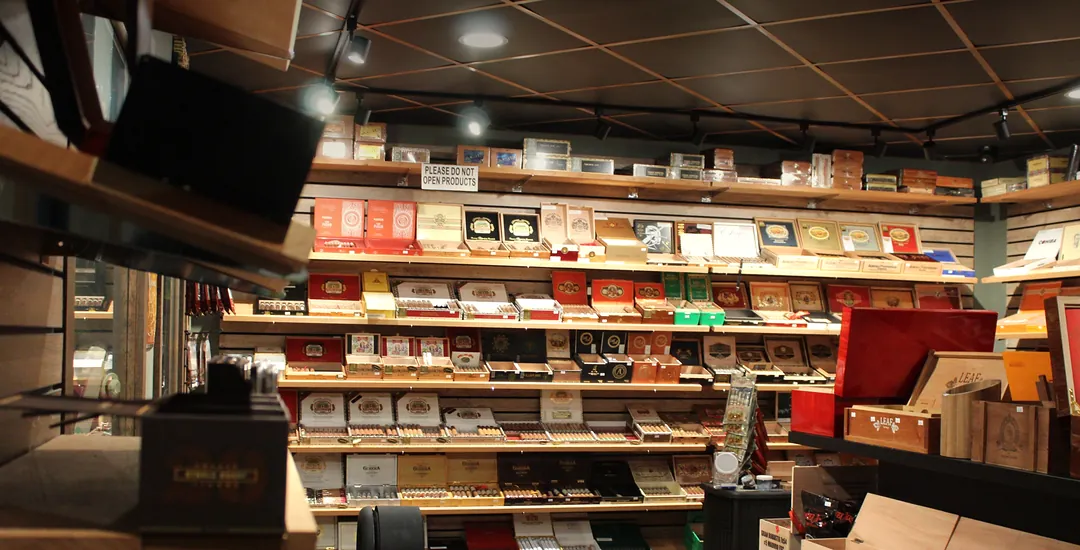
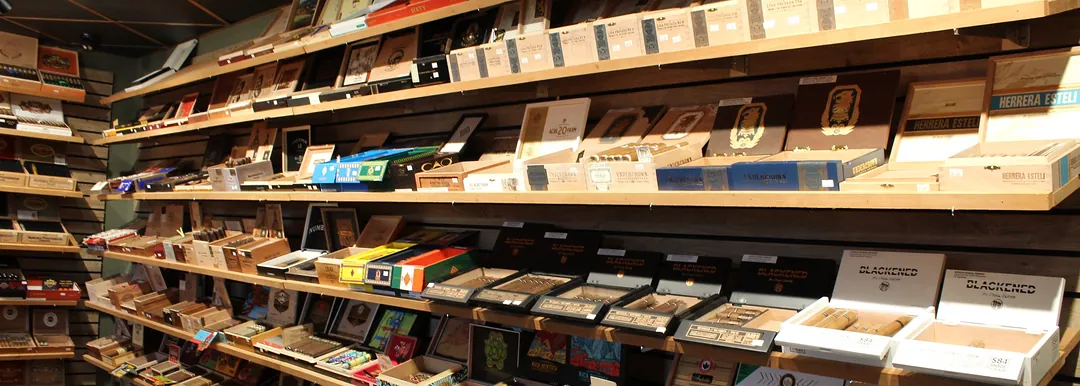
A showroom for cigars
At our humidor
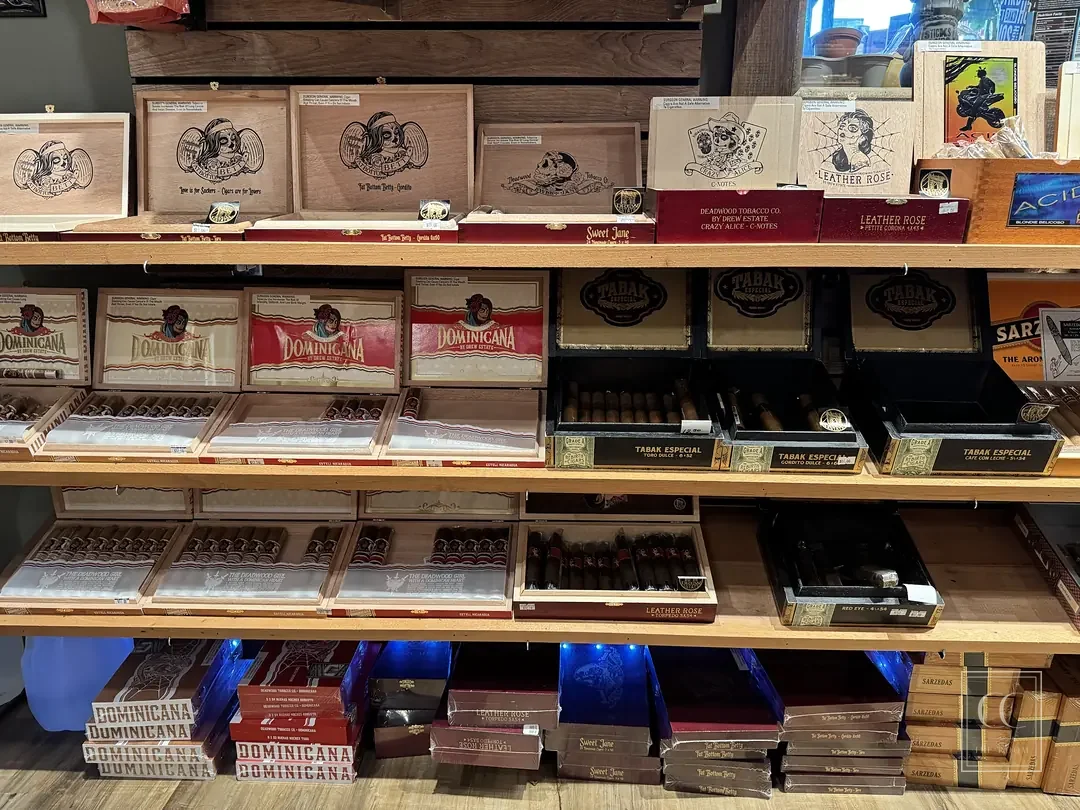
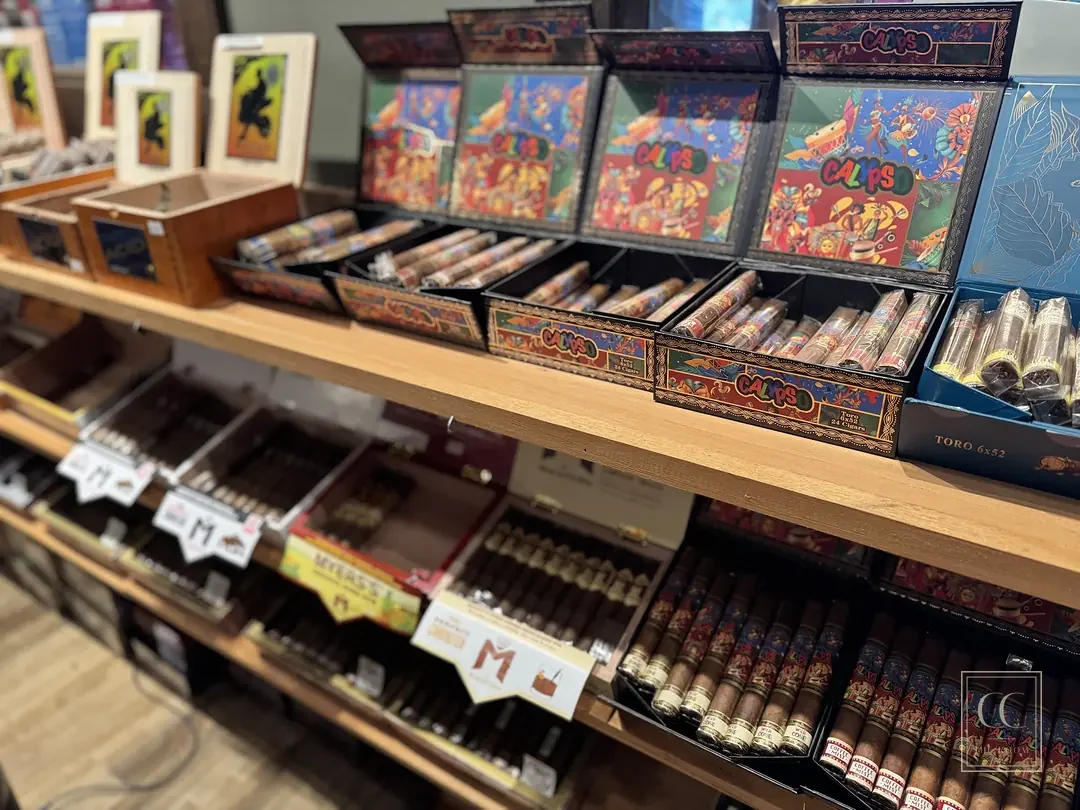
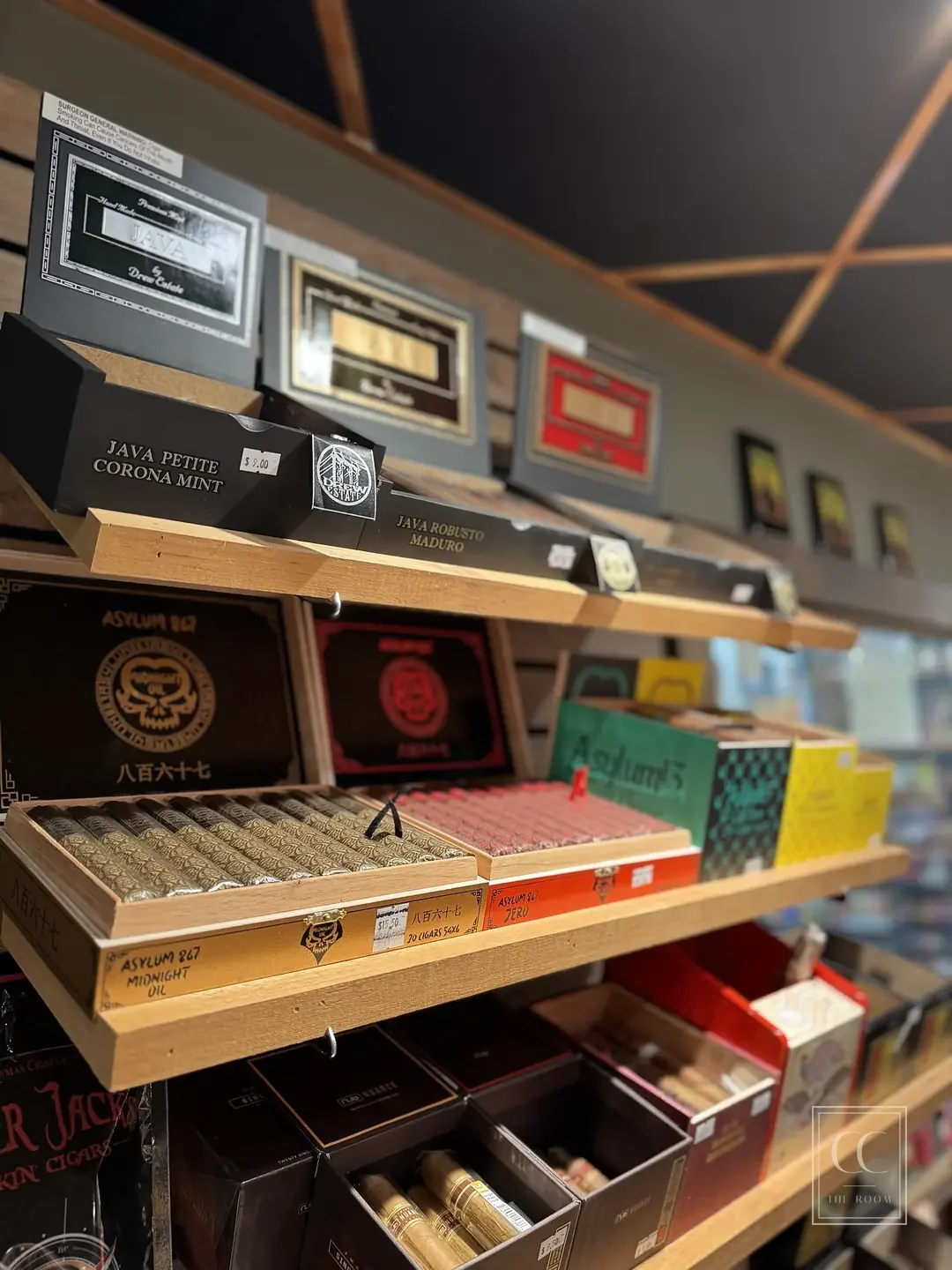
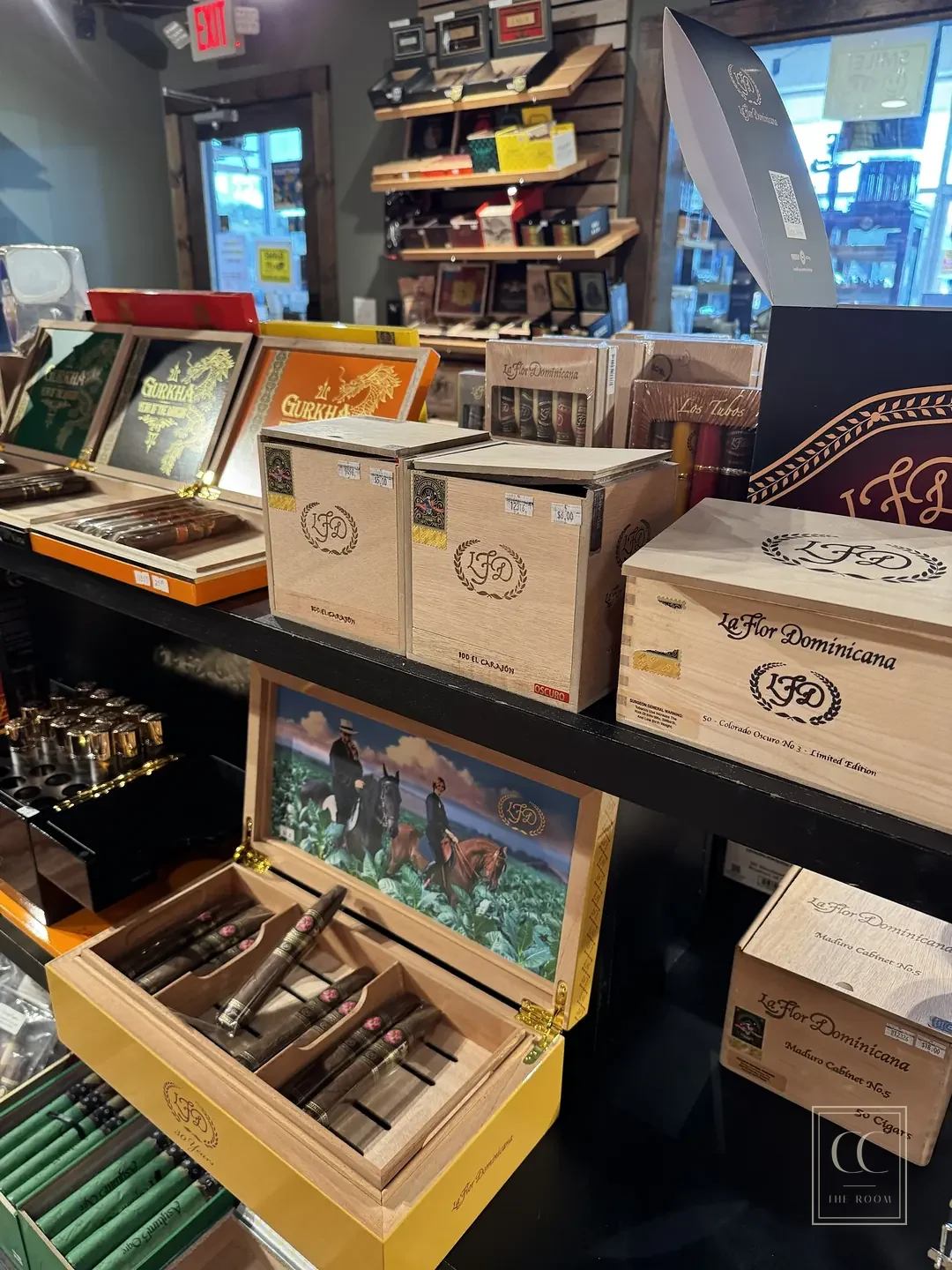
Cigars are an acquired taste, so before we recommend anything, we get to know your palate.
Five questions we'll ask you
- 1
Flavored or traditional
It's the first thing we ask, because it tells us where to look: a full wall of our humidor is dedicated to flavored cigars, and the rest is traditional. Whatever you enjoy, you'll find plenty to choose from.
- 2
Burn time
How long would you like it to last, and when will you smoke it? That tells us the right size.
- 3
Strength
Mild, medium or full? Not sure yet? We'll start you gently and let your palate lead.
- 4
Price range
An everyday cigar or a special occasion? To us a fine cigar is never cheap; it's either affordable or premium. Tell us your comfort zone and we'll do the rest.
- 5
Pairing
Do you have a go-to drink, or a pairing in mind? We'll choose a cigar that complements it.
Want a head start? Find your cigar in six questions, then show us your result at the counter.
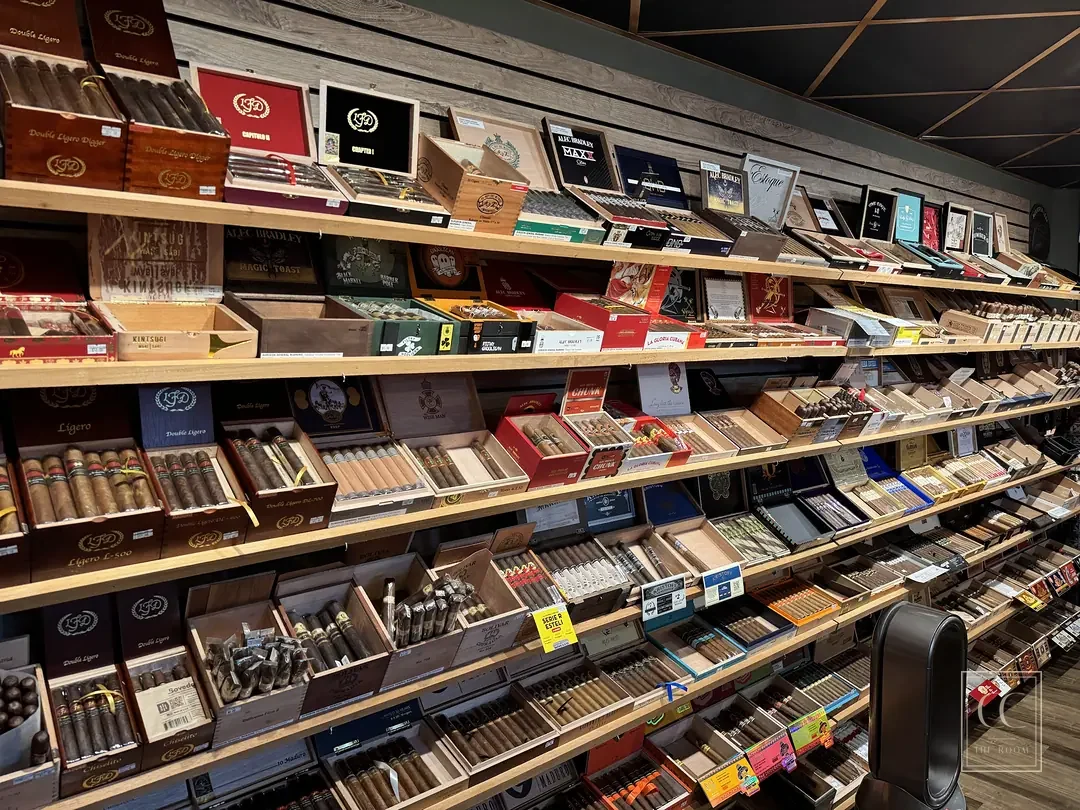
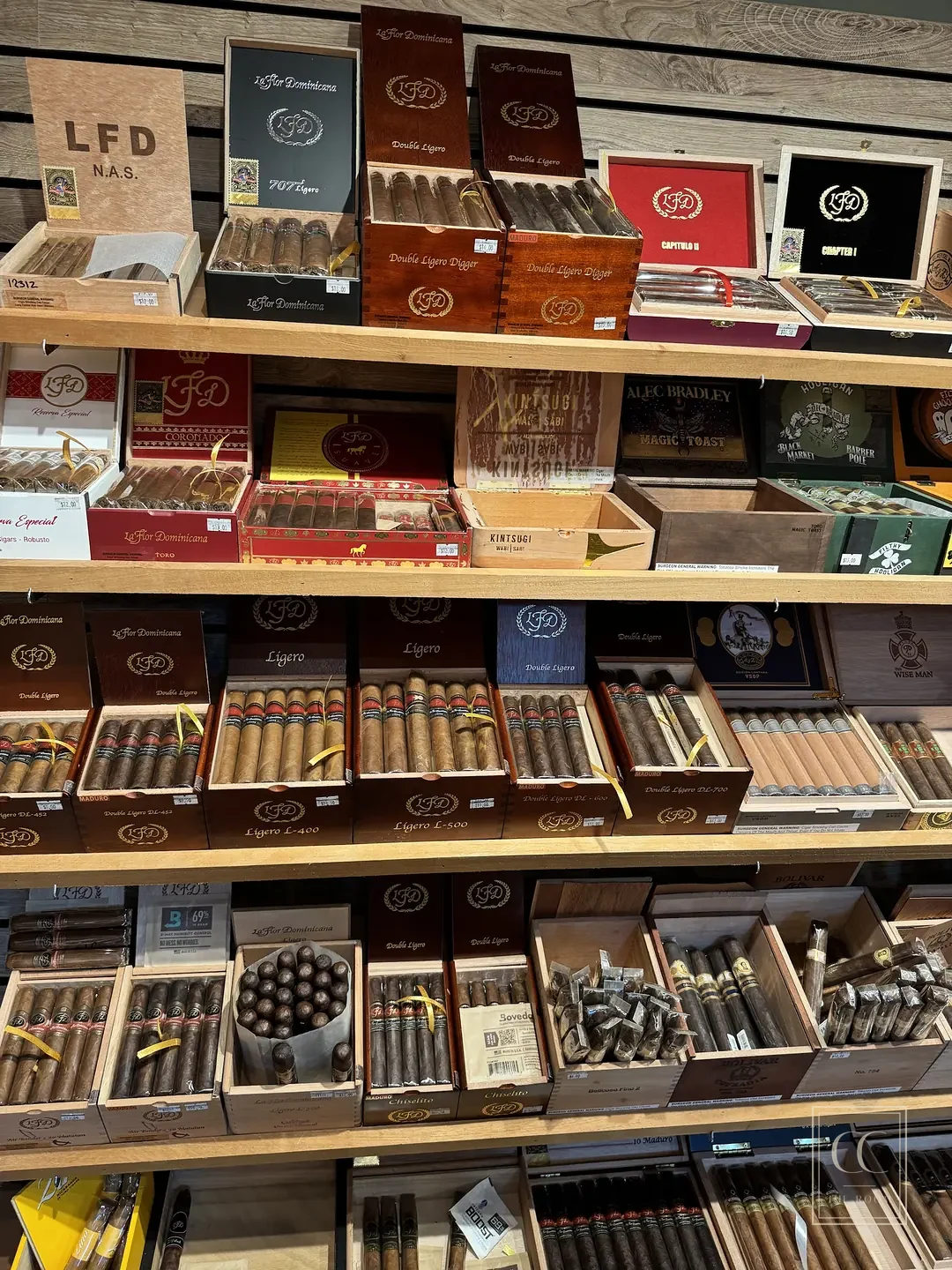
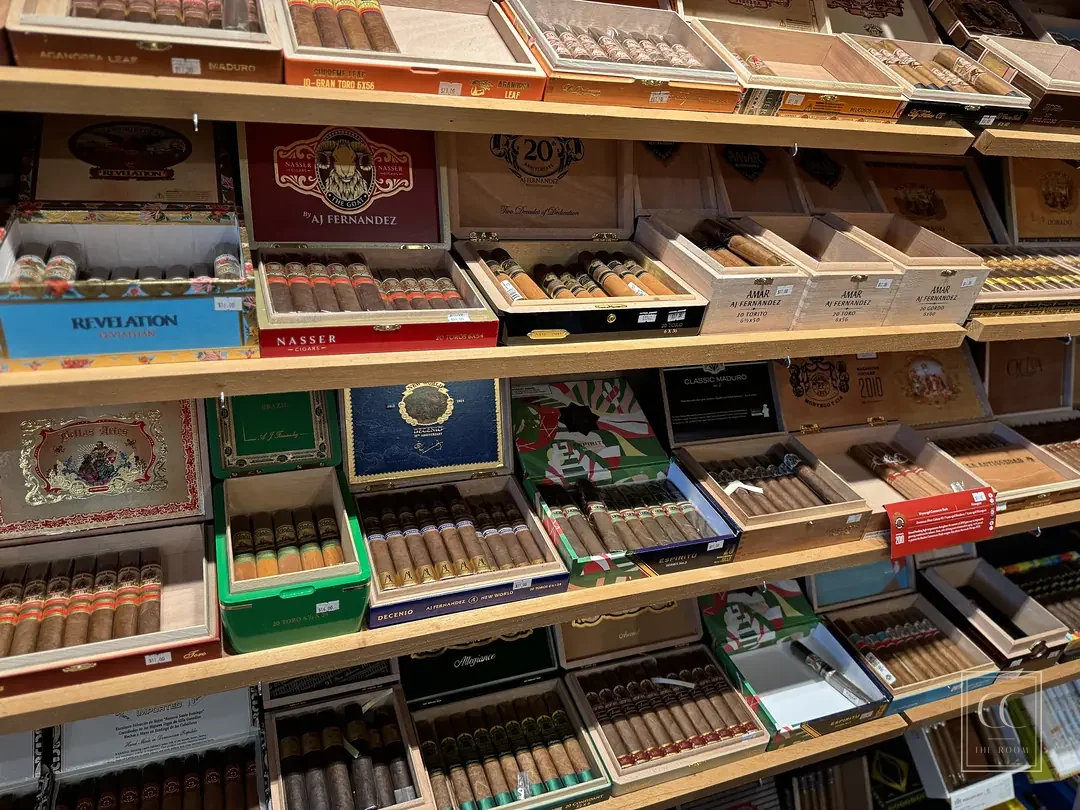
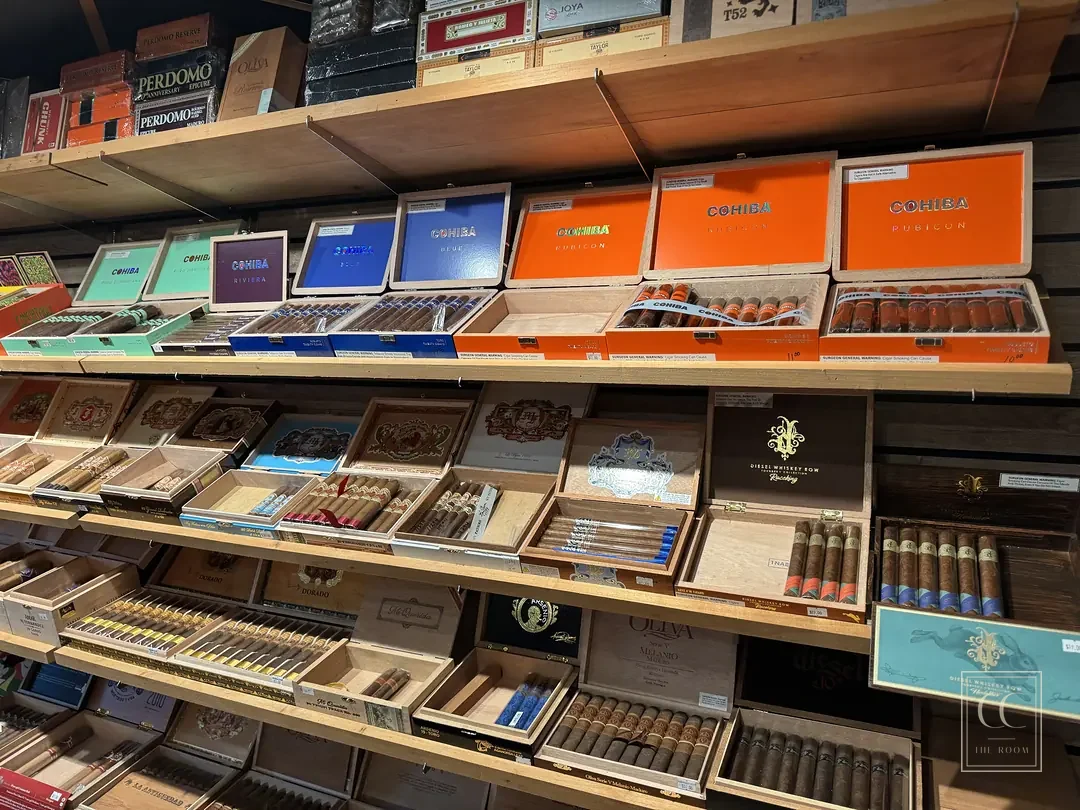
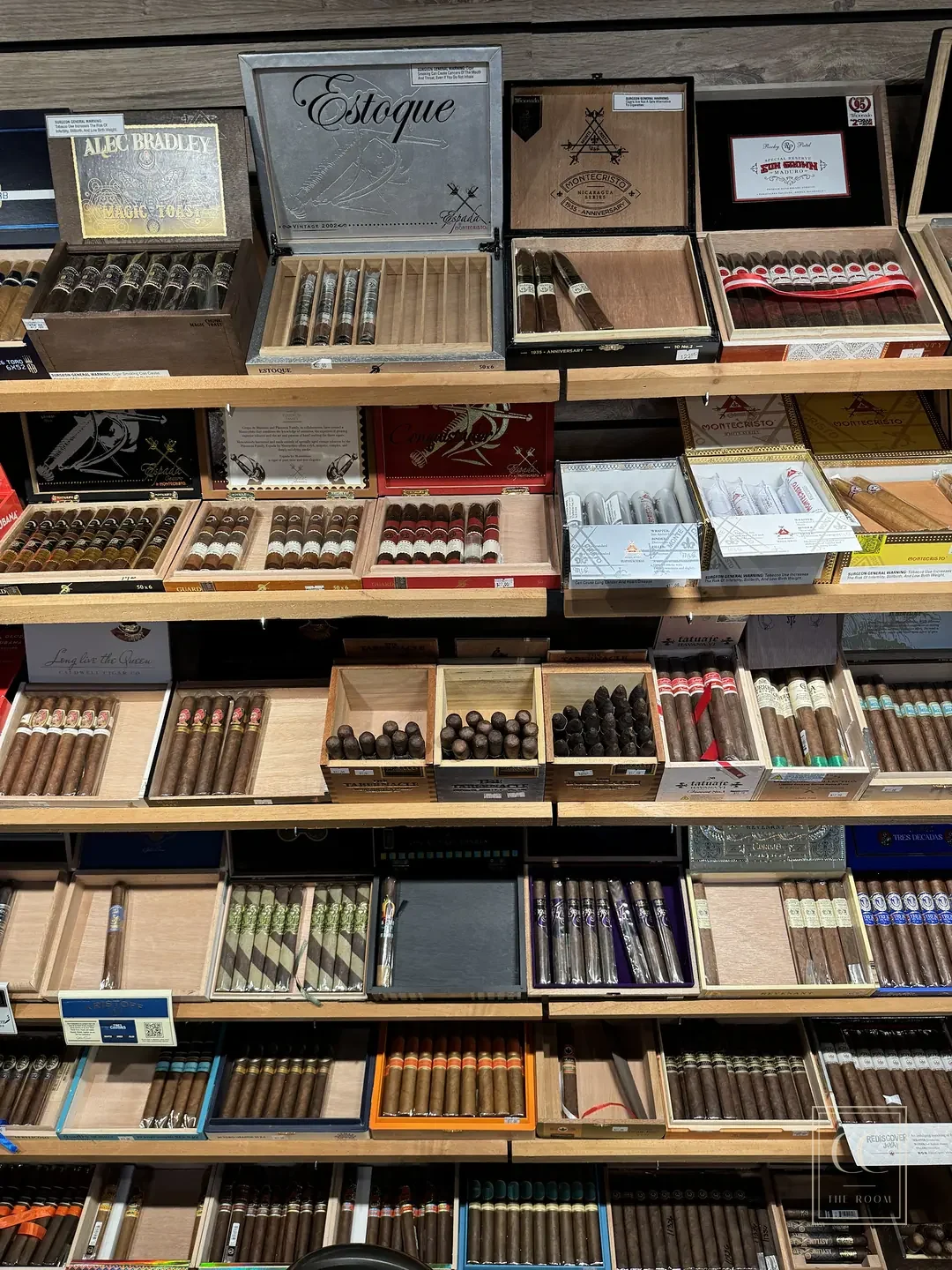
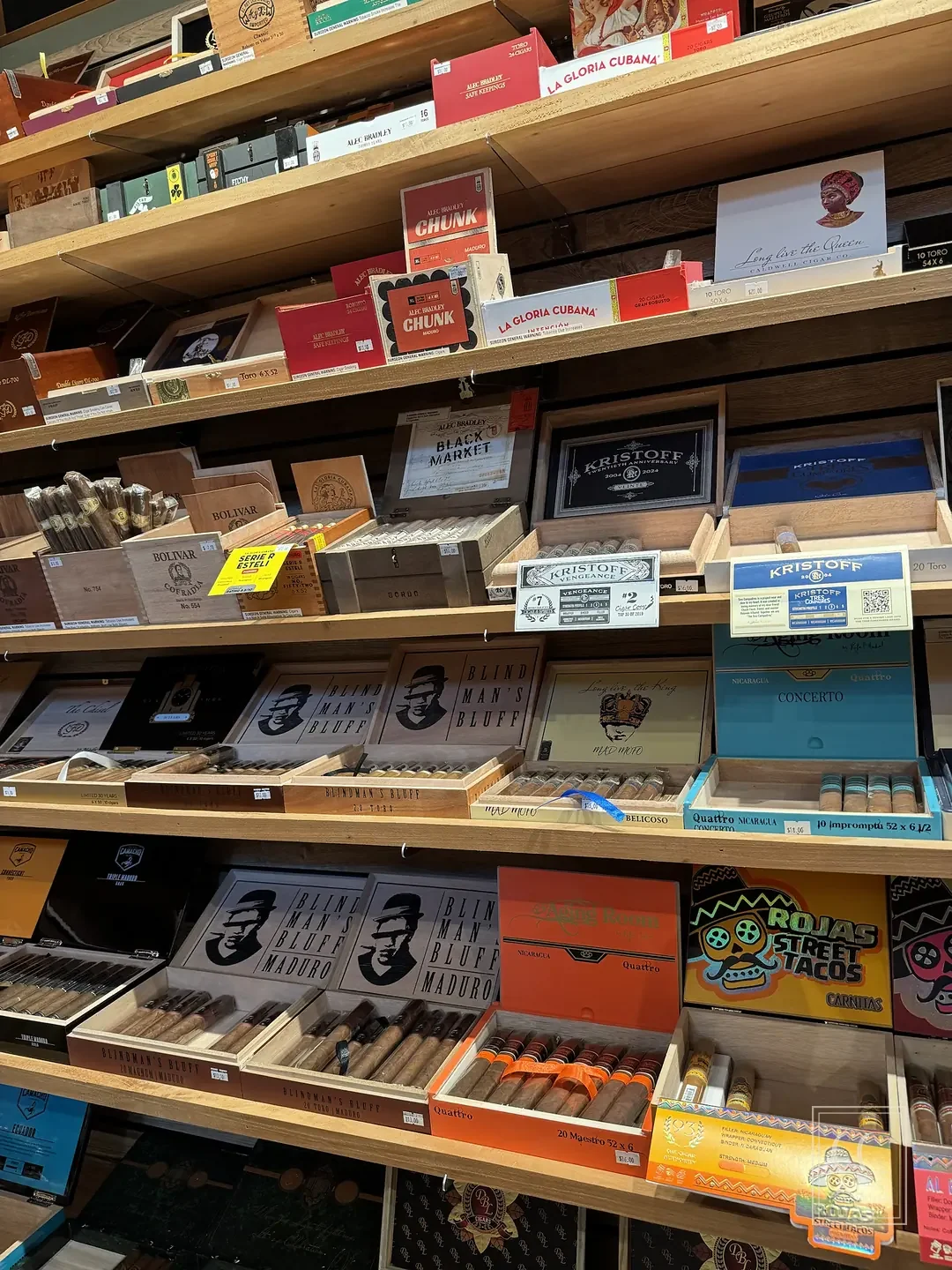
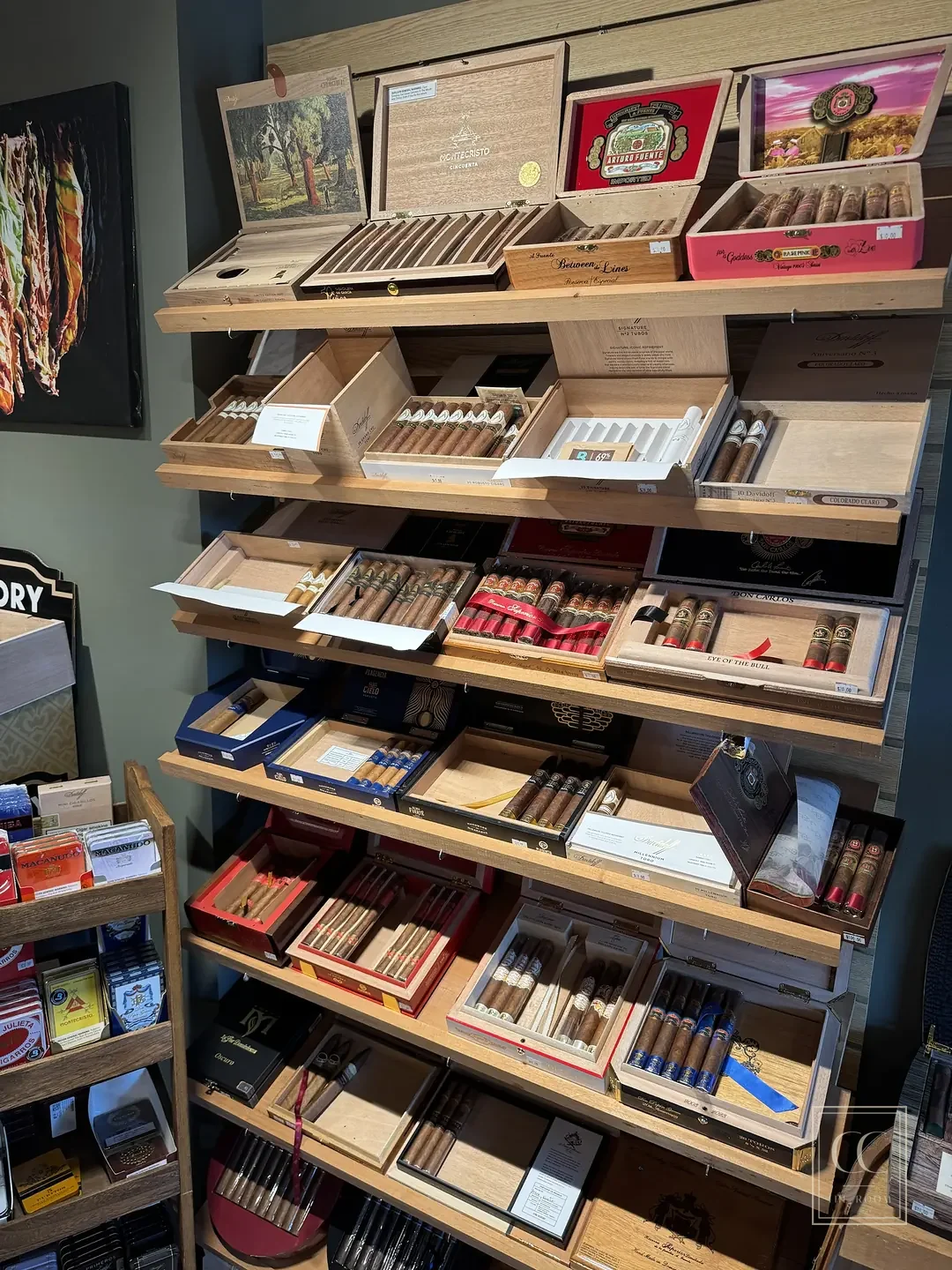
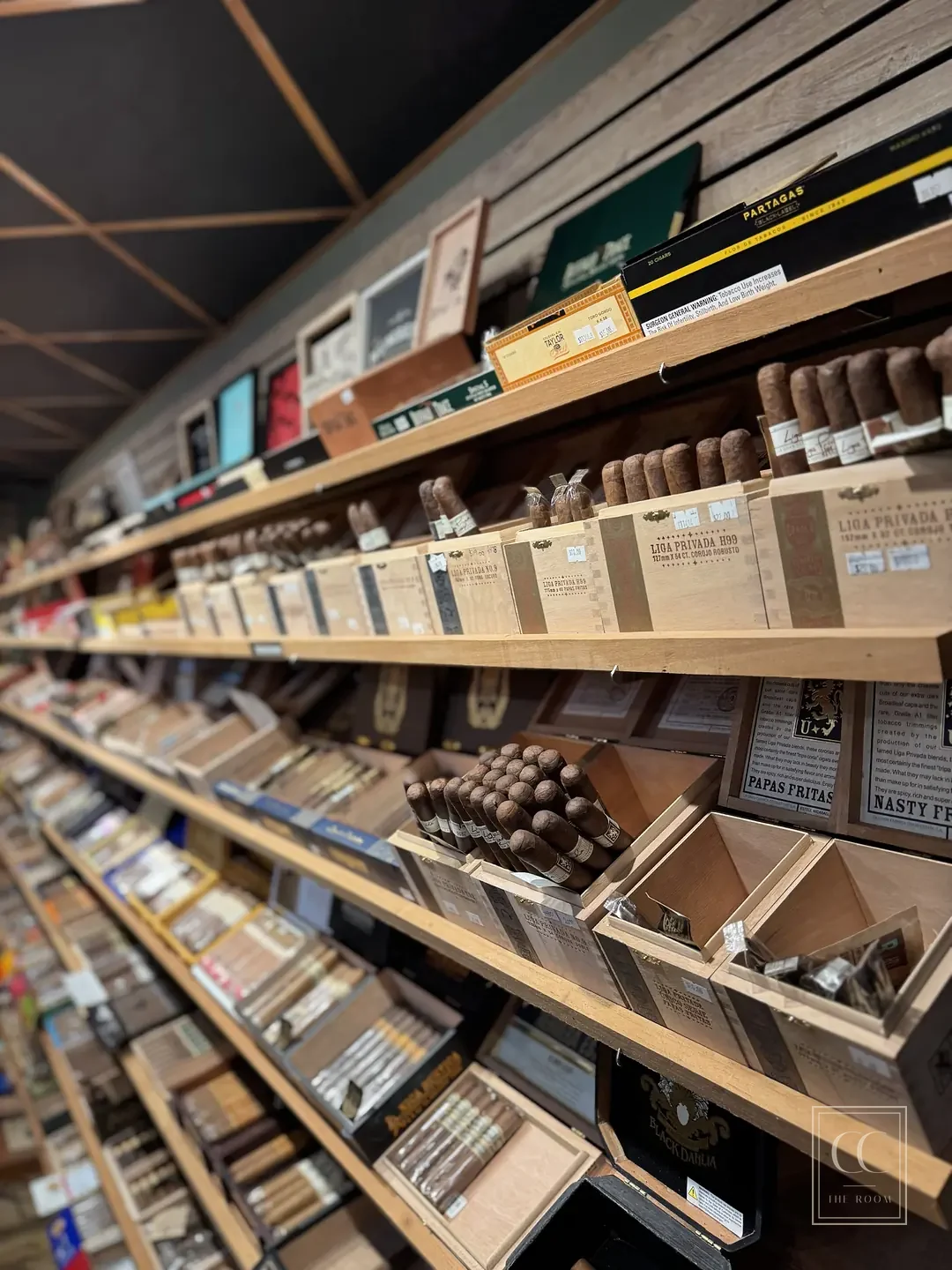
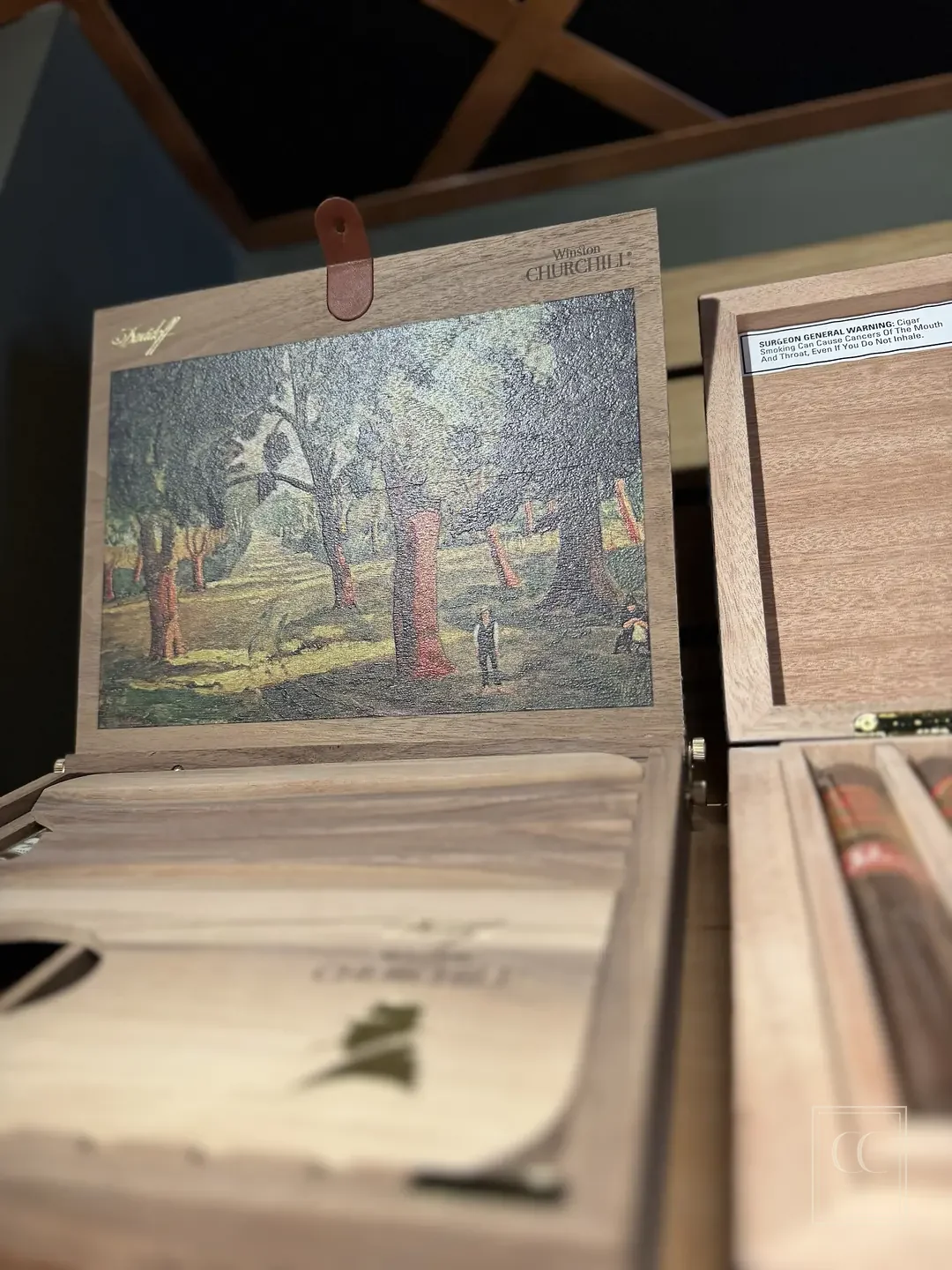
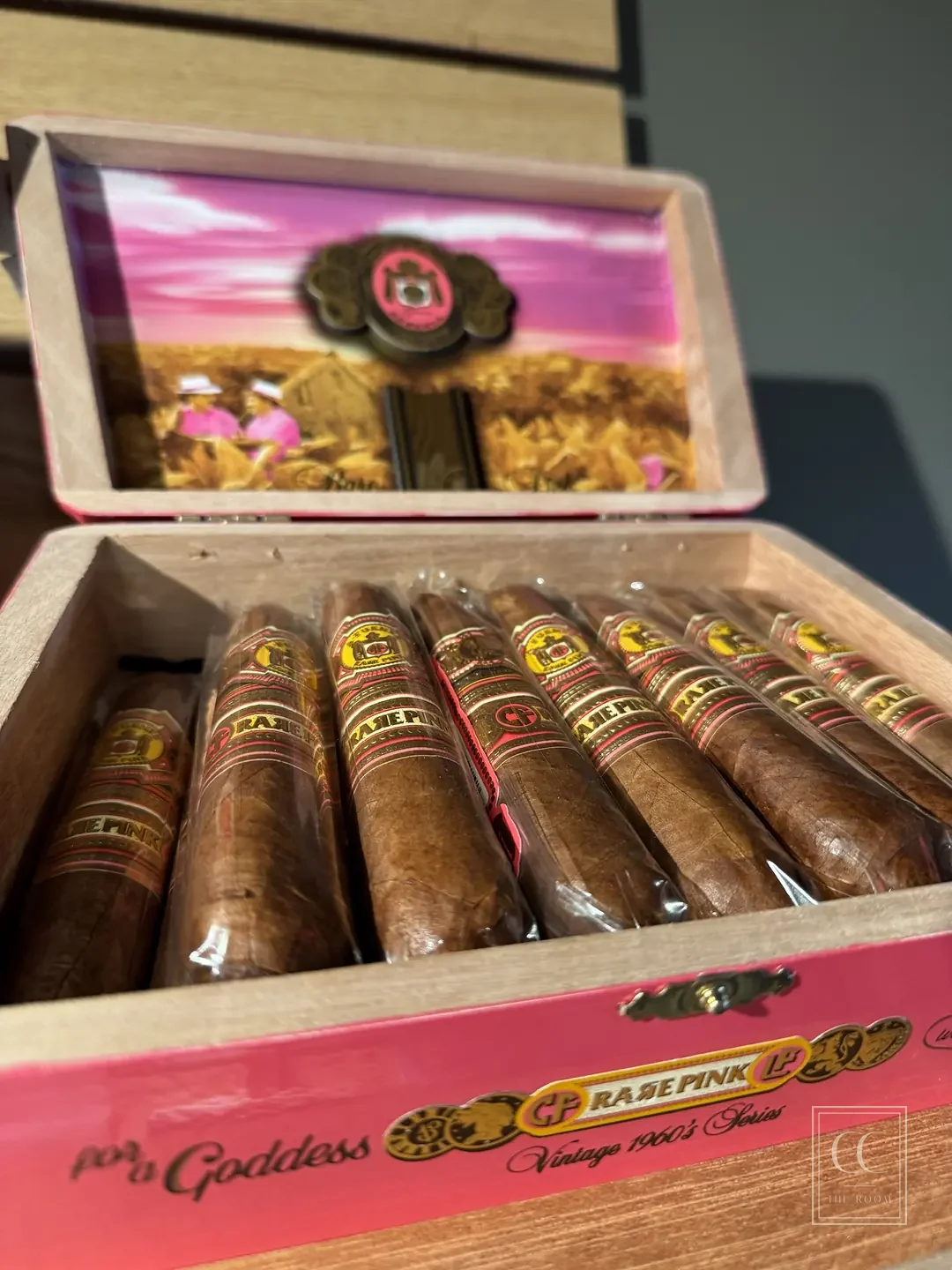
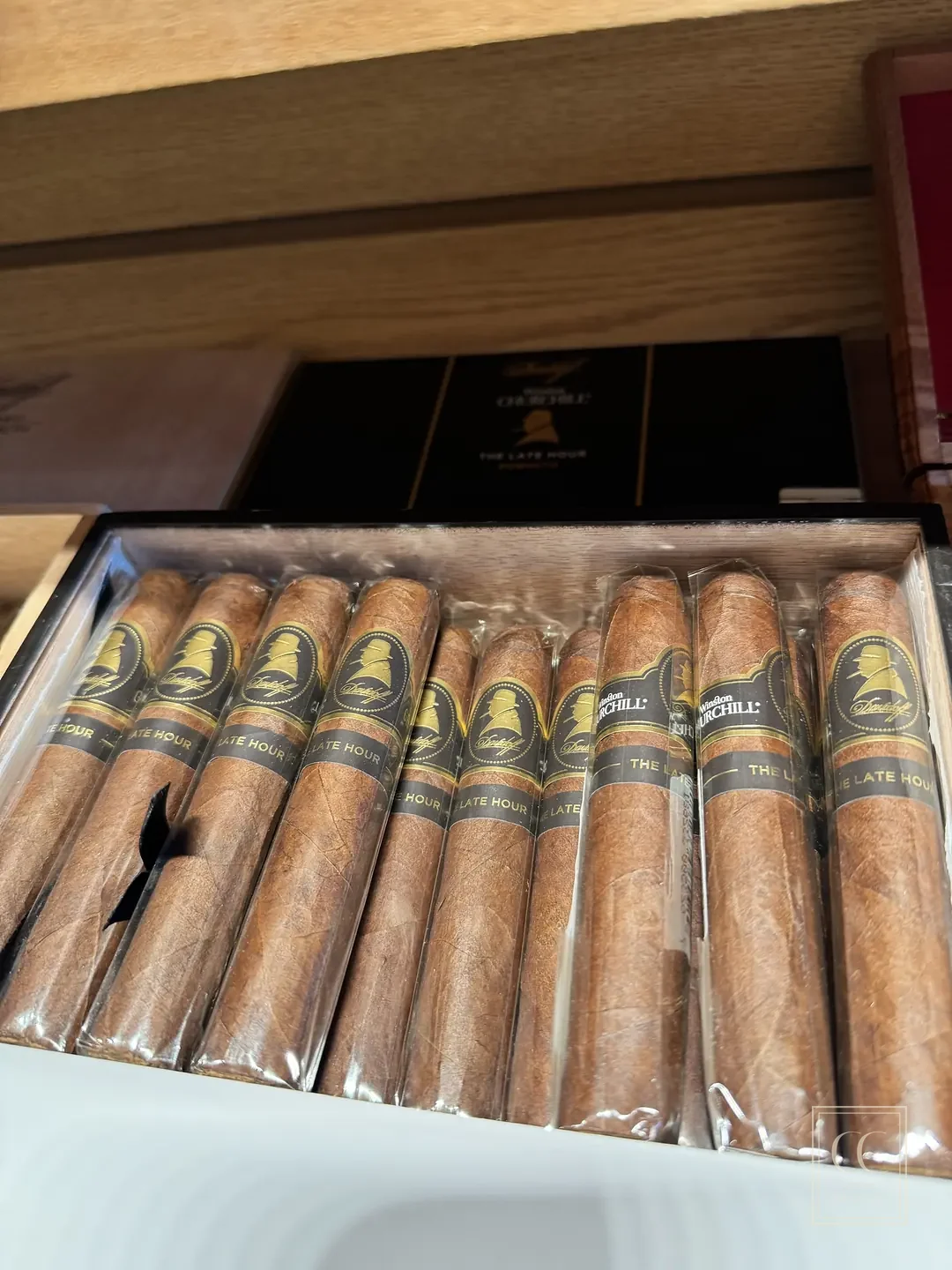
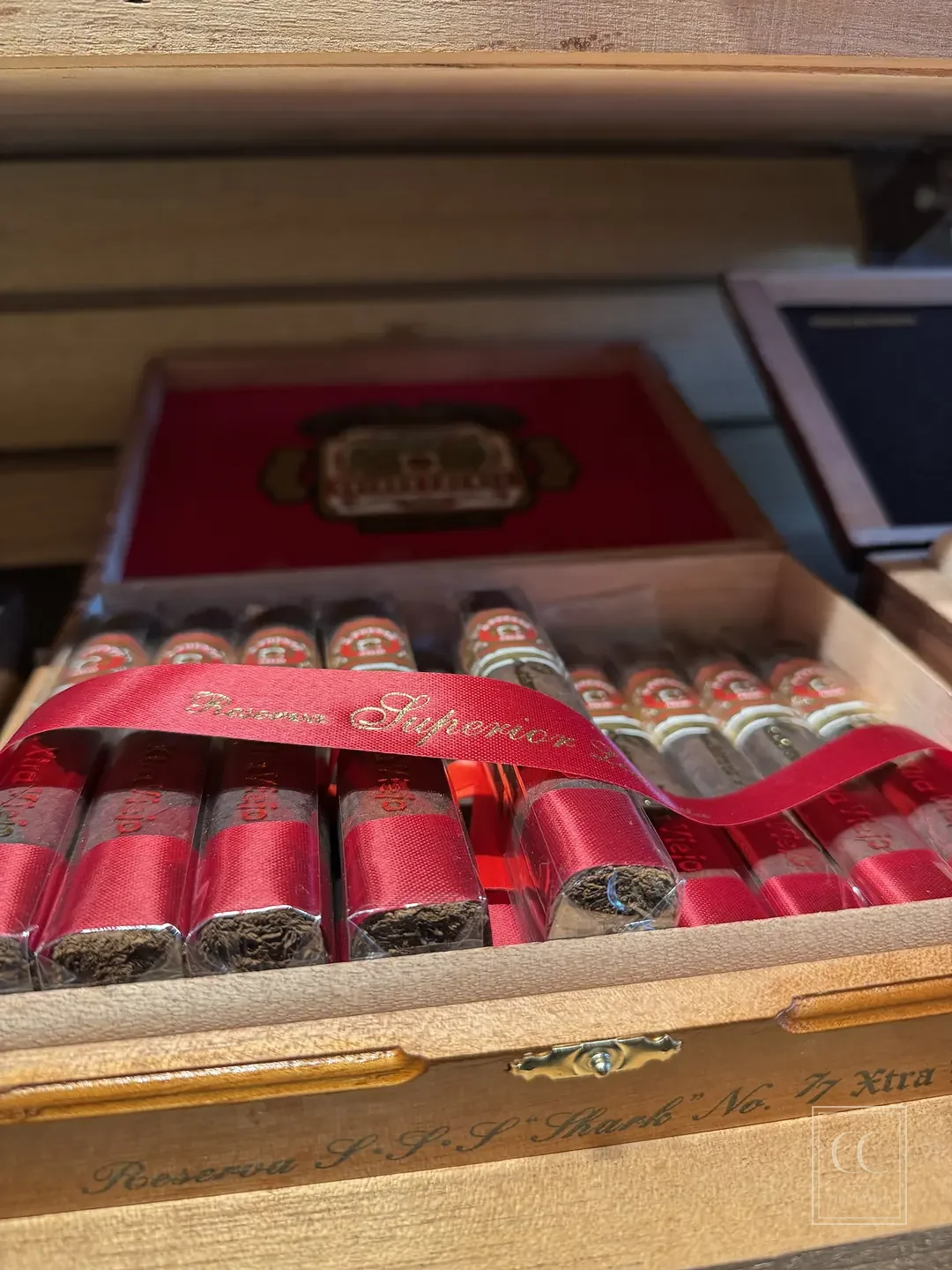
In the humidor
- Look, don't touch. Please don't open boxes or handle unwrapped cigars. Squeezing and sniffing change a cigar's condition for the next guest. We'll hand you anything you'd like to see.
- Keep the door closed, and leave drinks and lit cigars outside the humidor.
- Buying a gift? Tell us a little about the person, and we'll help you choose.
- Smoking later? Ask how to keep it fresh until then.
Daily features
- MonMaduro
- TueToro
- WedHonor
- ThuTorpedo
- FriFuente
- SatSungrown
Honor Wednesday is for military and first responders. Features apply to applicable products; ask our team for details.
The ritual
Cut, light & smoke
The ritual is half the pleasure. Here's how to do it well.
Cut
- Straight cut: the classic. Slice just above the cap line, about 1/16 inch.
- Punch: a small round hole in the cap. Best on round heads.
- V-cut: a wedge-shaped notch that opens a deep channel. Good on bigger rings.
- Pointed heads: on torpedoes and belicosos, cut a little more of the tip to open the draw.
- Test the draw before you light. It should feel like sipping through a straw, with a little resistance.
Light
- Use a clean flame: a butane torch or soft-flame lighter, wooden matches, or a cedar spill.
- Skip candles and fluid lighters, which can leave a taste.
- Toast the foot first. Hold the flame just below it and turn the cigar until the edge glows evenly.
- Then light, drawing gently and turning as you go. A soft blow on the foot shows any uneven spots.
Smoke
- Don't inhale. Draw into your mouth, savor, and let it go.
- Slow down. About one puff a minute keeps it cool and lit.
- Retrohale, if you like: let a little smoke out through your nose to pick up the aroma. Start with very little.
- Let the ash be. An inch of firm ash is a sign of good rolling. Tap it gently into the tray when it's ready.
- Went out? It happens. Blow gently through it to clear the stale smoke, then toast and relight.
- Finished? Rest it in the ashtray and it will go out on its own. Never stub it out.
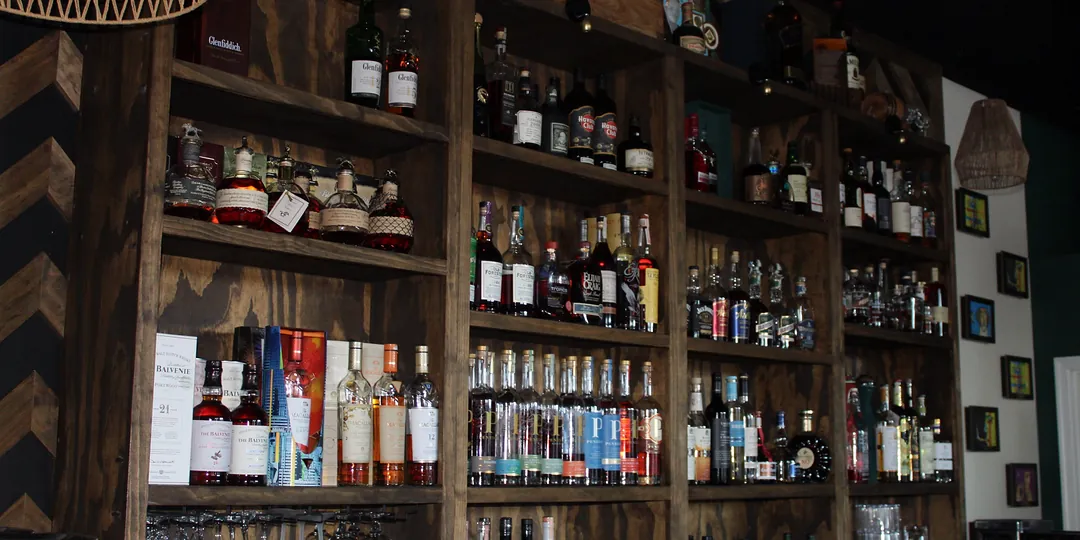
Pick your pour
Pairings
A good pairing makes both the cigar and the glass taste better. Match weight with weight, then play with contrast.
Bourbon
Caramel, vanilla and oak. Lovely with maduros and Habano wrappers.
Rye
Spicy and dry. It echoes peppery Nicaraguan blends.
Scotch
Speyside and Highland malts suit mild and medium cigars. Peated Islay malts stand up to full ones.
Rum
Aged rum brings molasses and spice, a natural match for maduros.
Tequila & mezcal
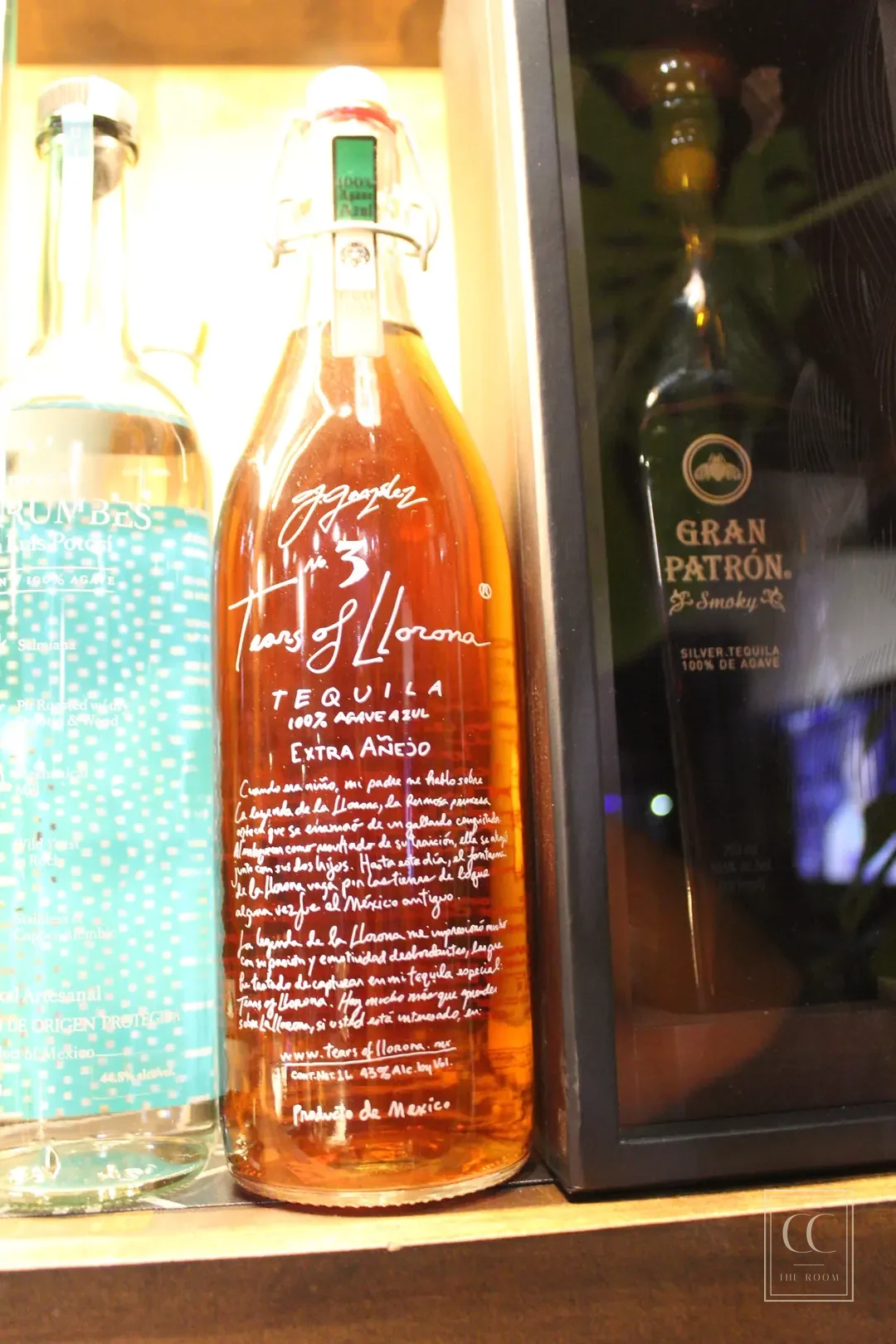
An añejo or extra añejo, aged in oak, brings vanilla and caramel that suit a medium cigar. A smoky mezcal stands up to a full one.
Cognac & brandy
Elegant and fruity, with Dominican and Connecticut-wrapped cigars.
Port & sherry
Rich and sweet, made for dark maduros.
Coffee & espresso
The classic morning pairing. Espresso with a maduro, a latte with a Connecticut or a flavored cigar.
Beer
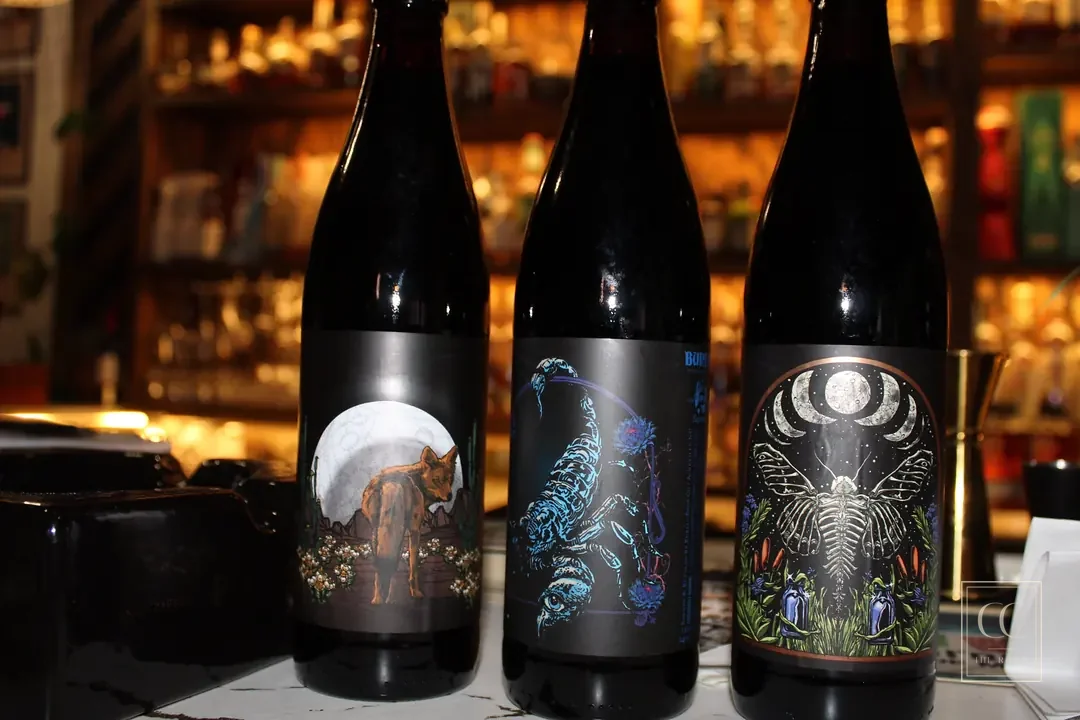
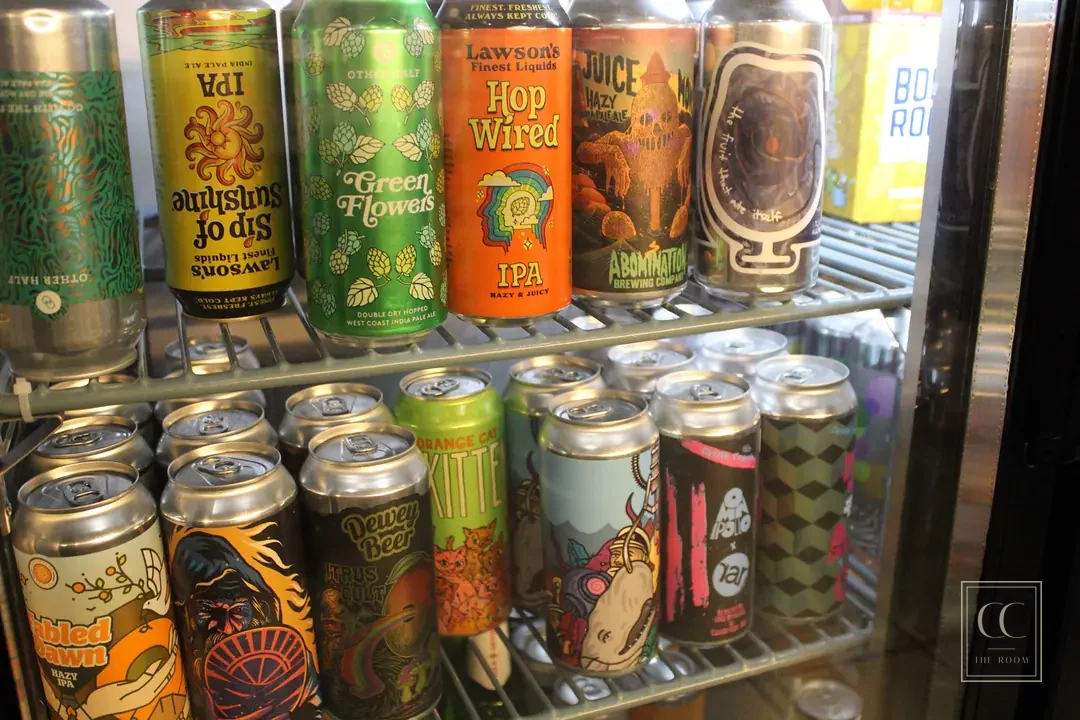
Stouts and porters with maduros. Amber and brown ales with natural wrappers.
Without alcohol
Sparkling water with citrus, ginger beer, cola or iced tea. A sip of water between puffs refreshes the palate.
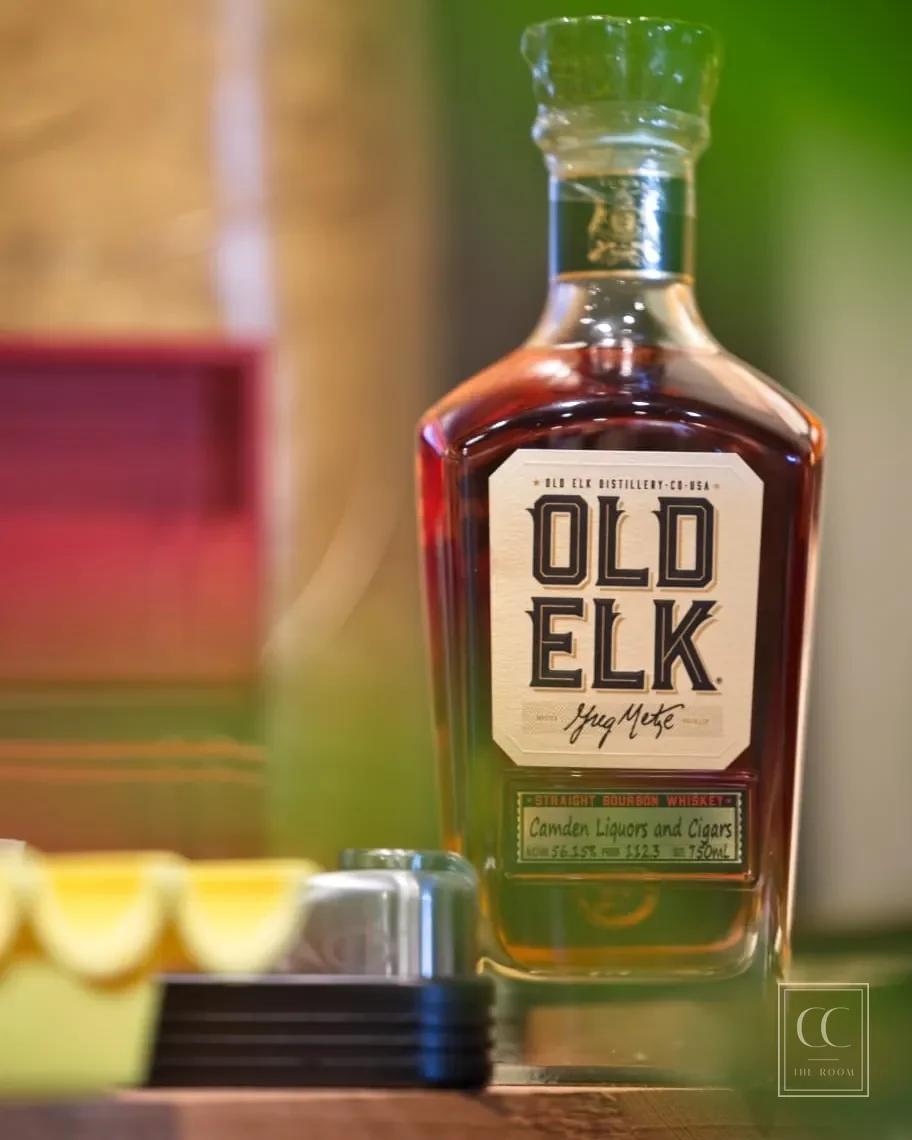
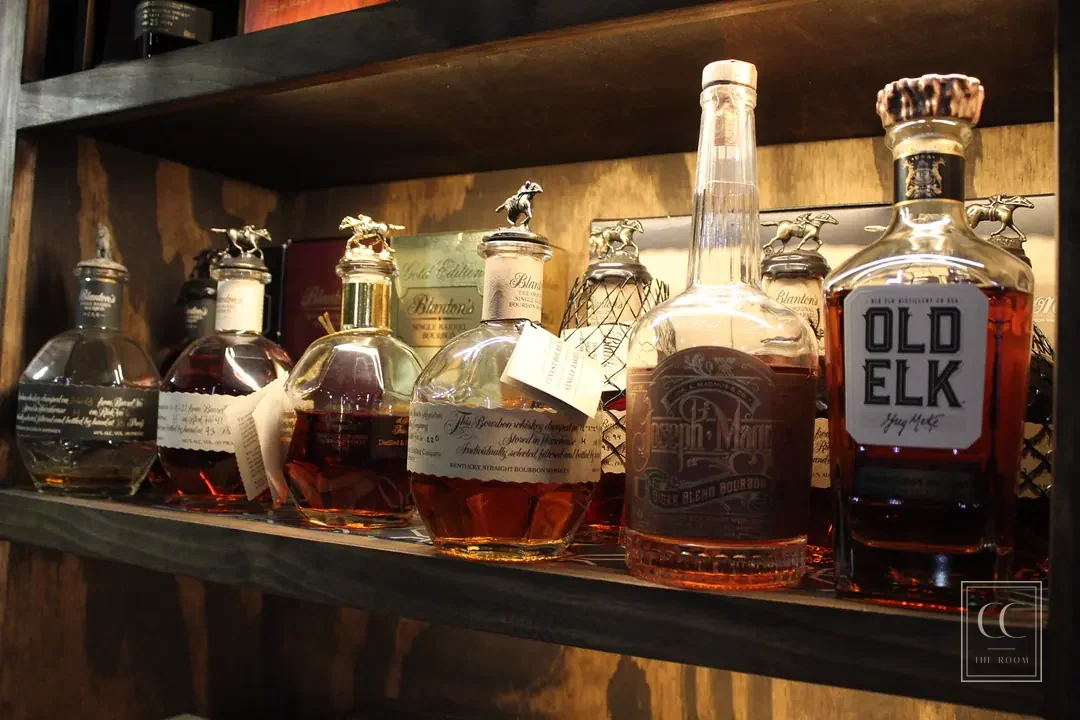
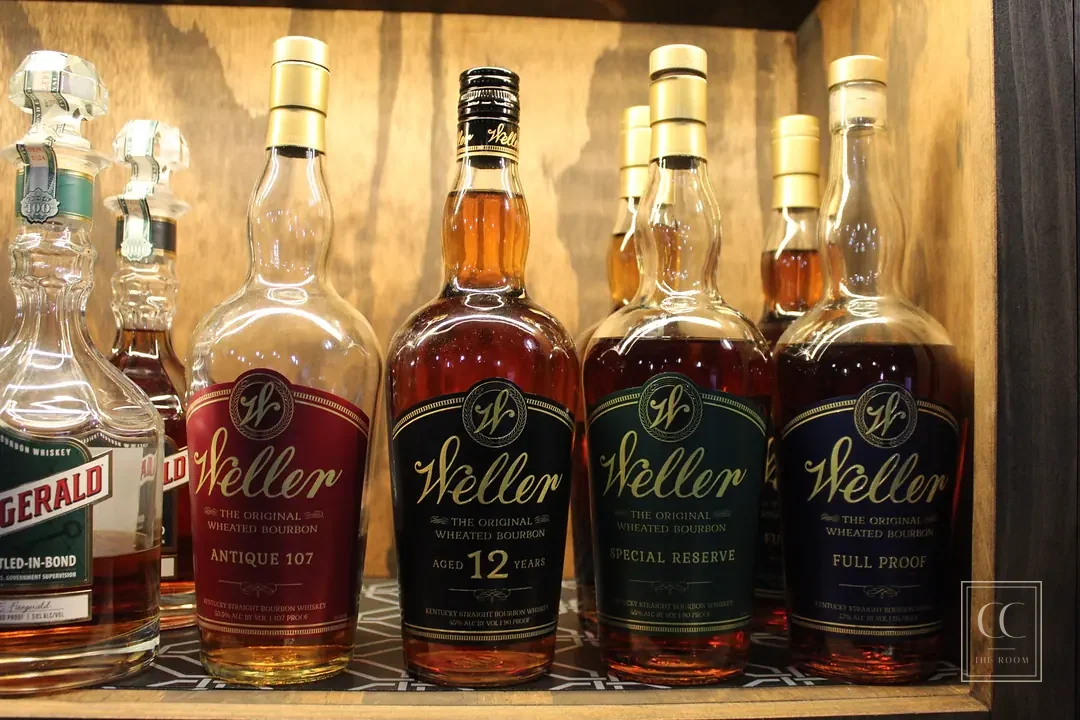
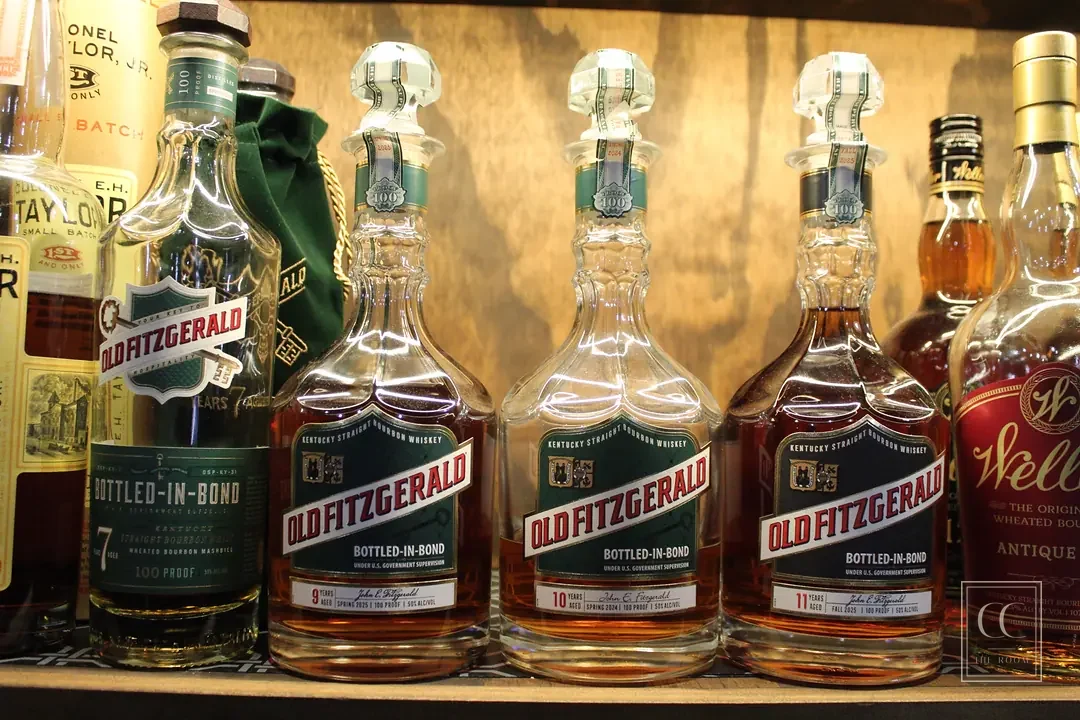
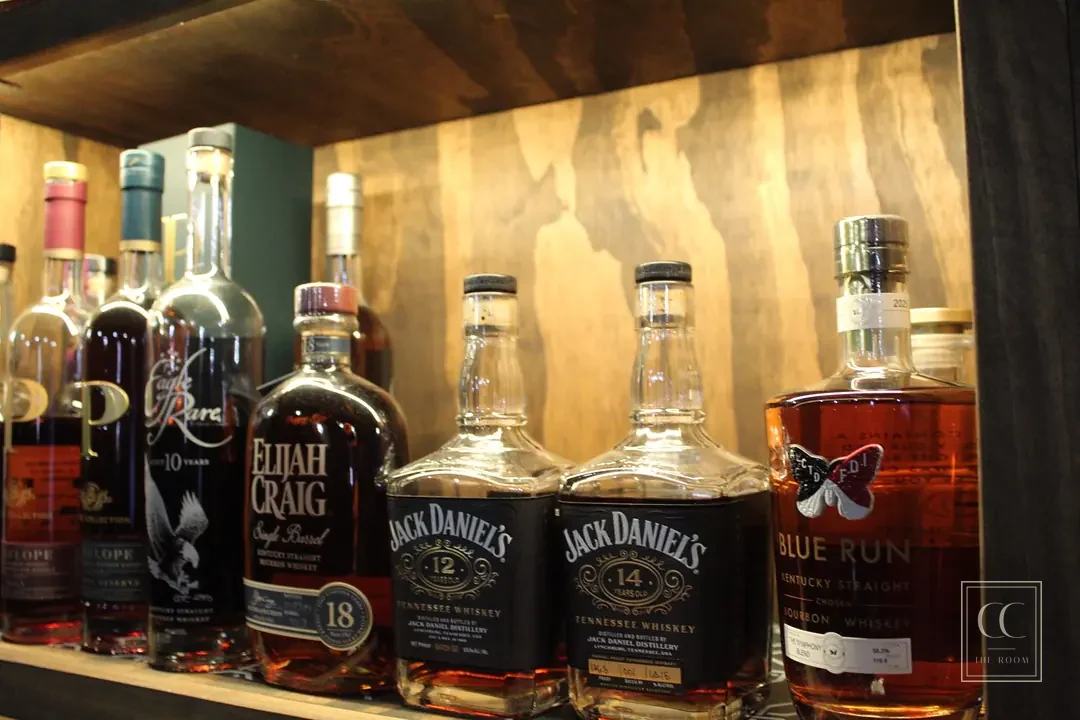
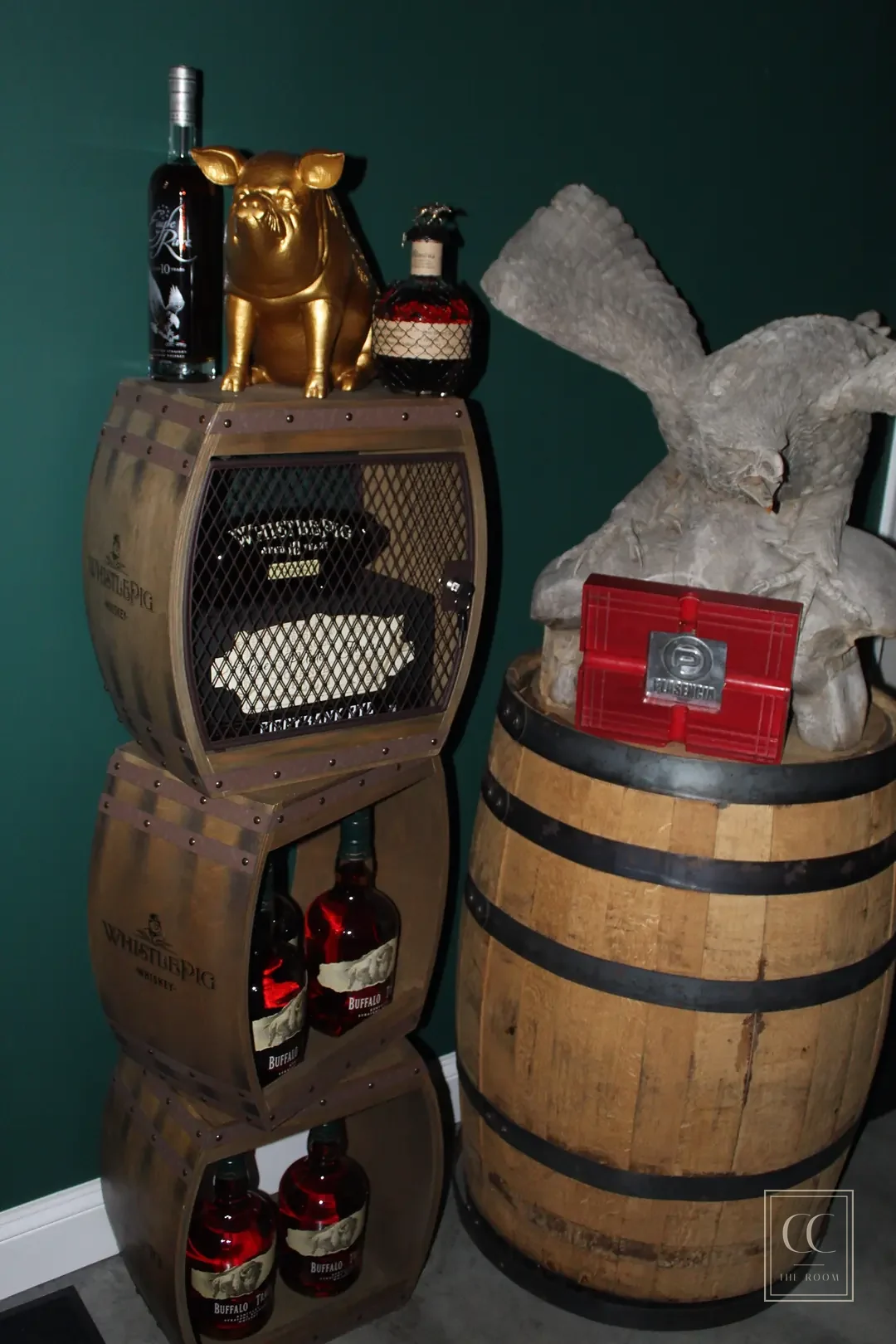
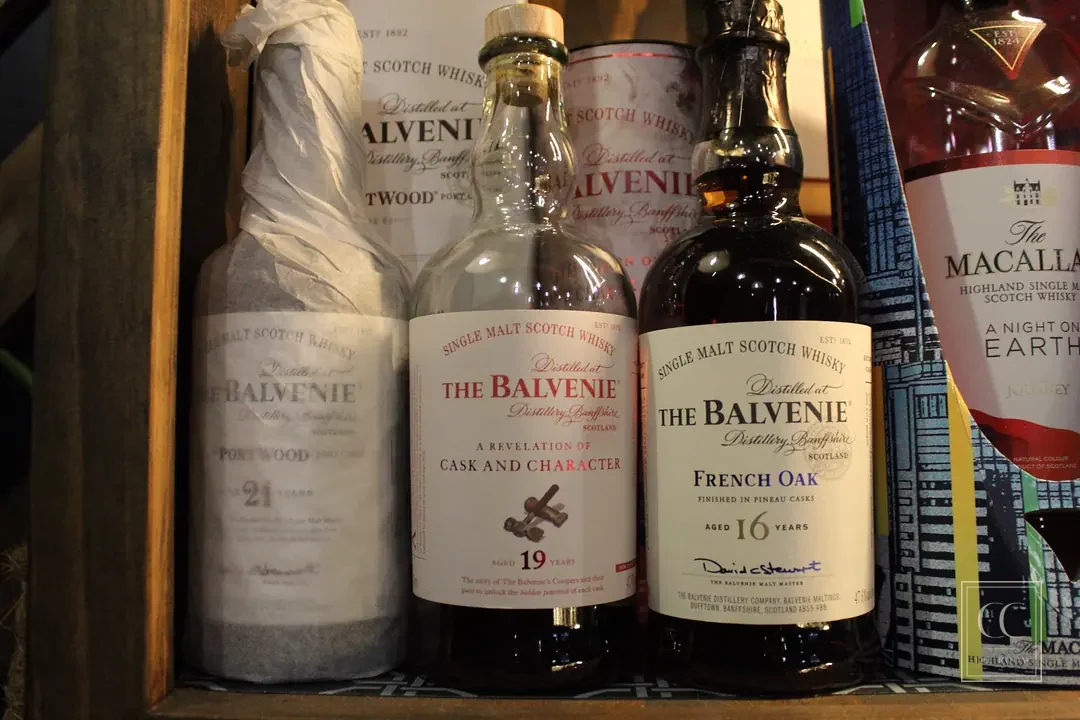
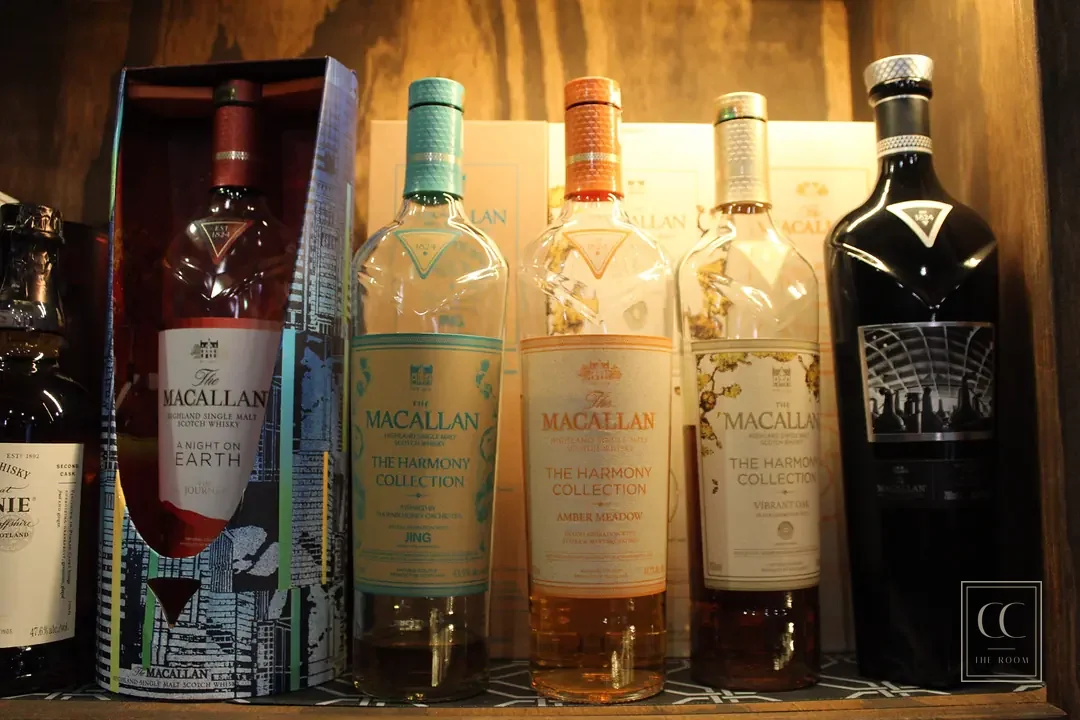
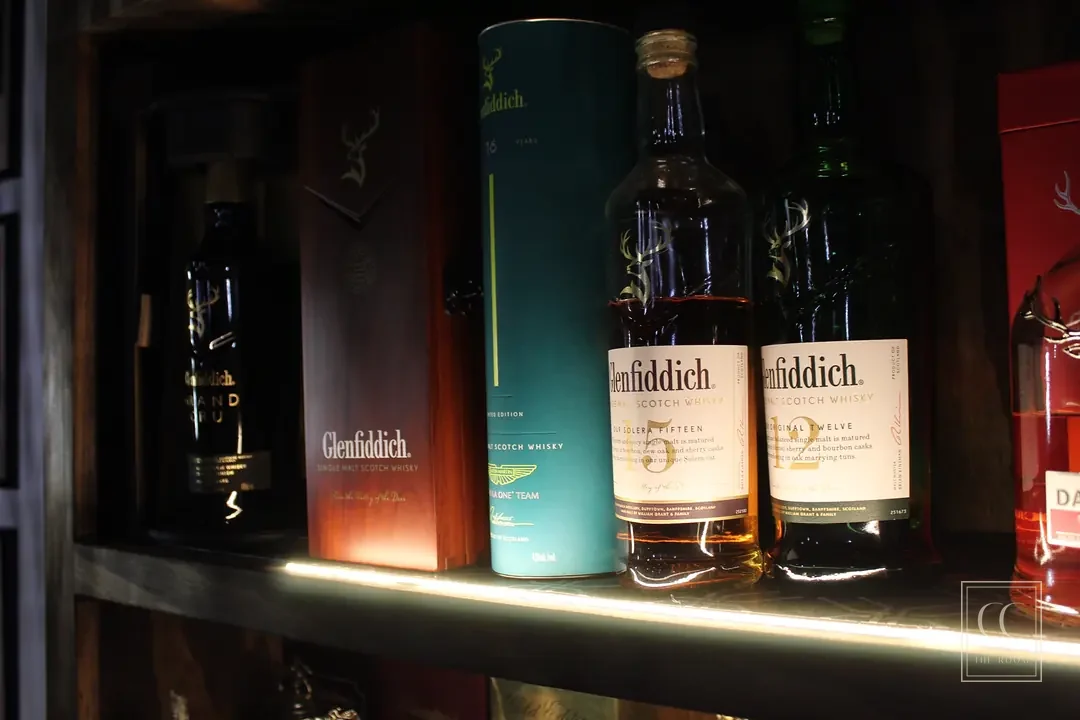
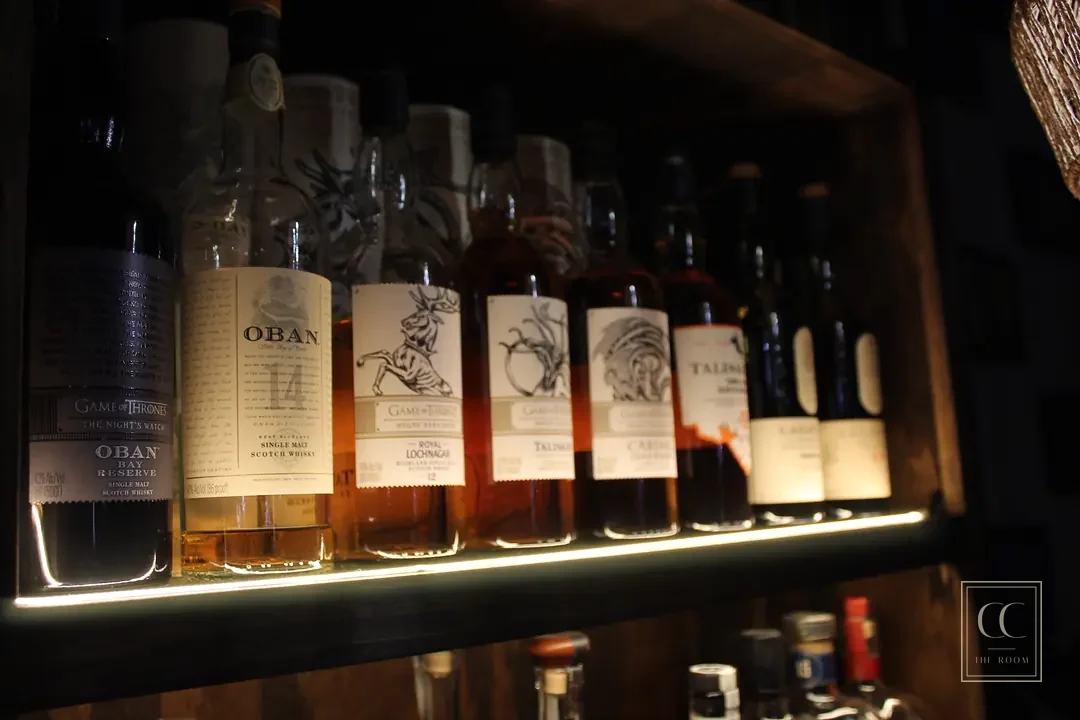
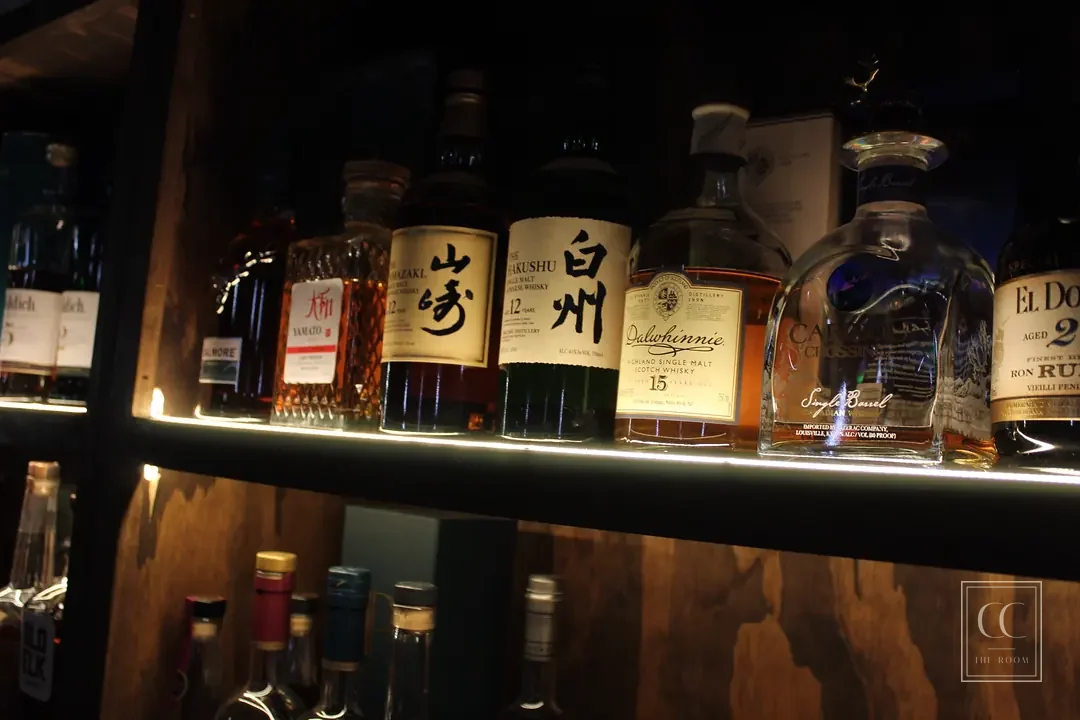
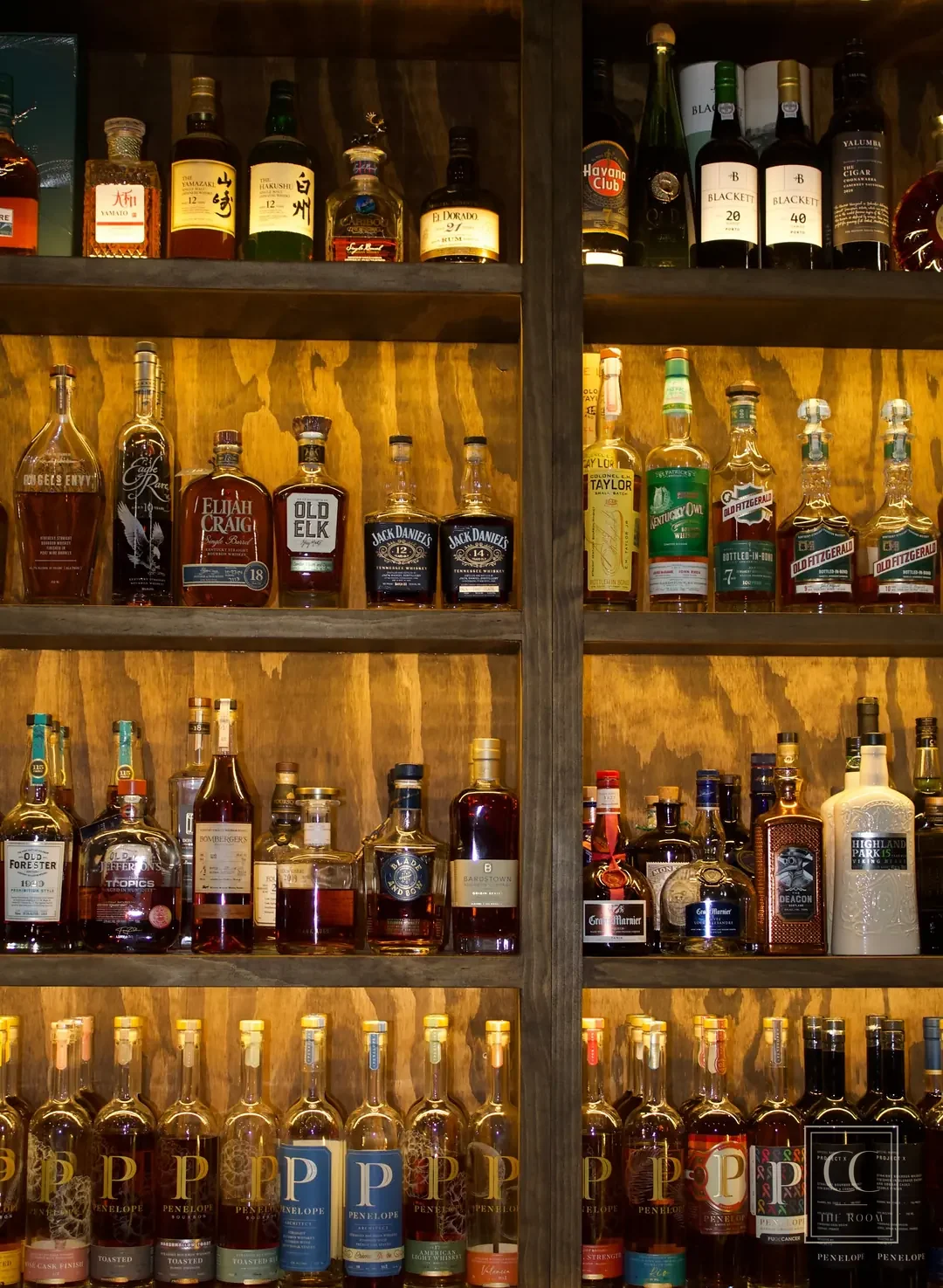
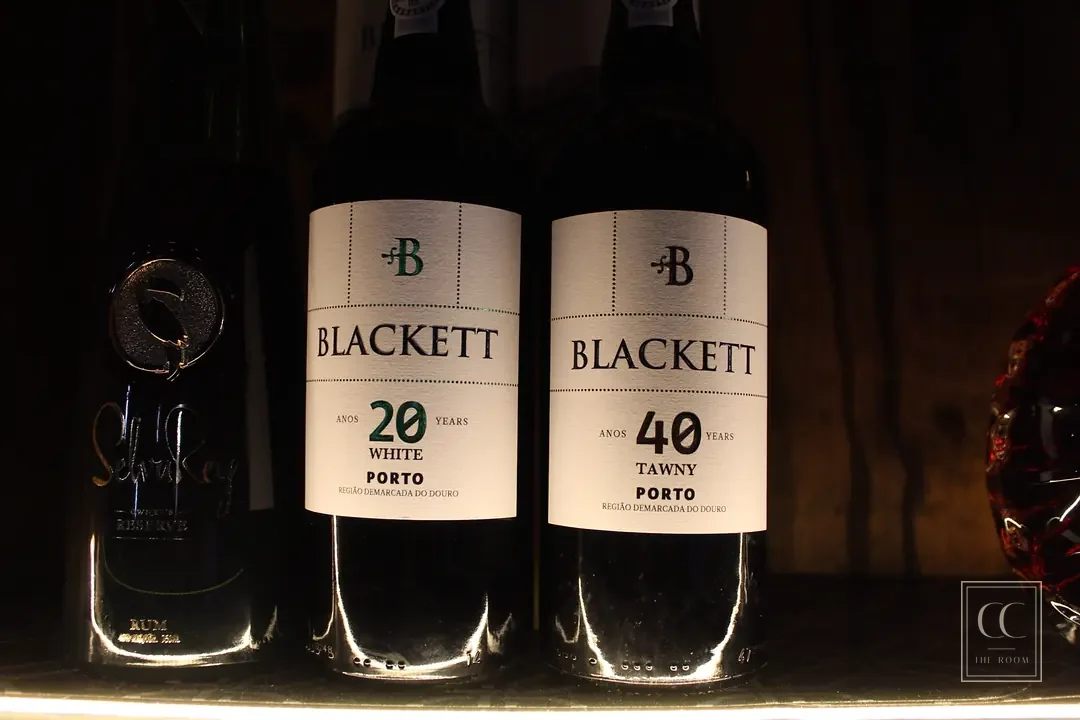
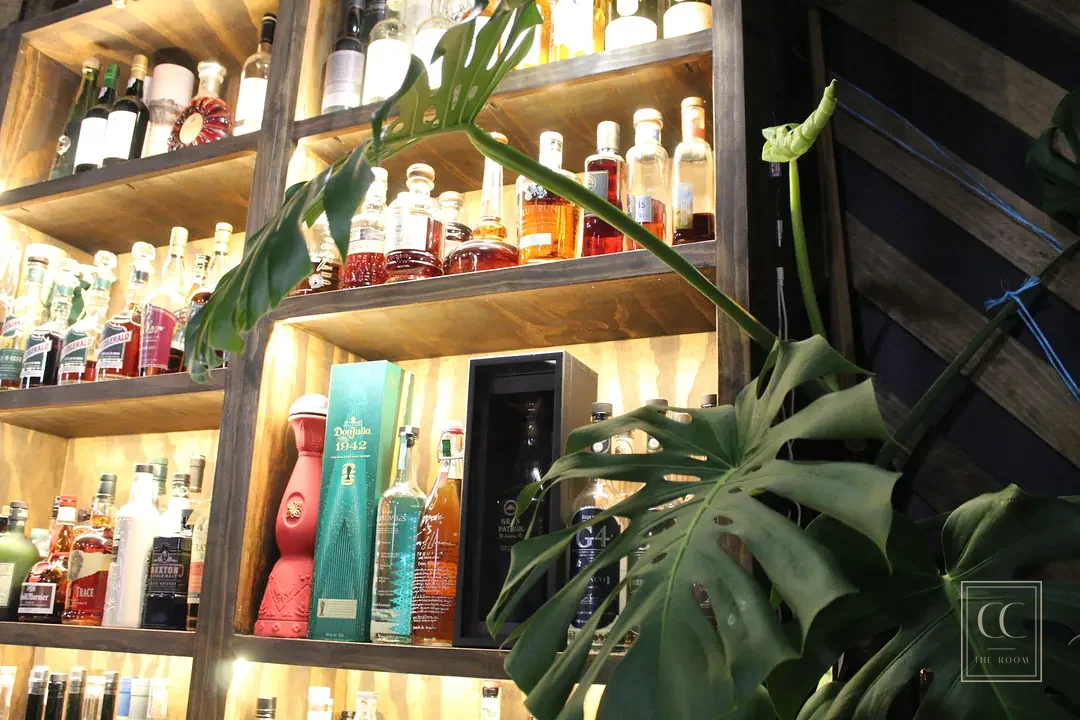
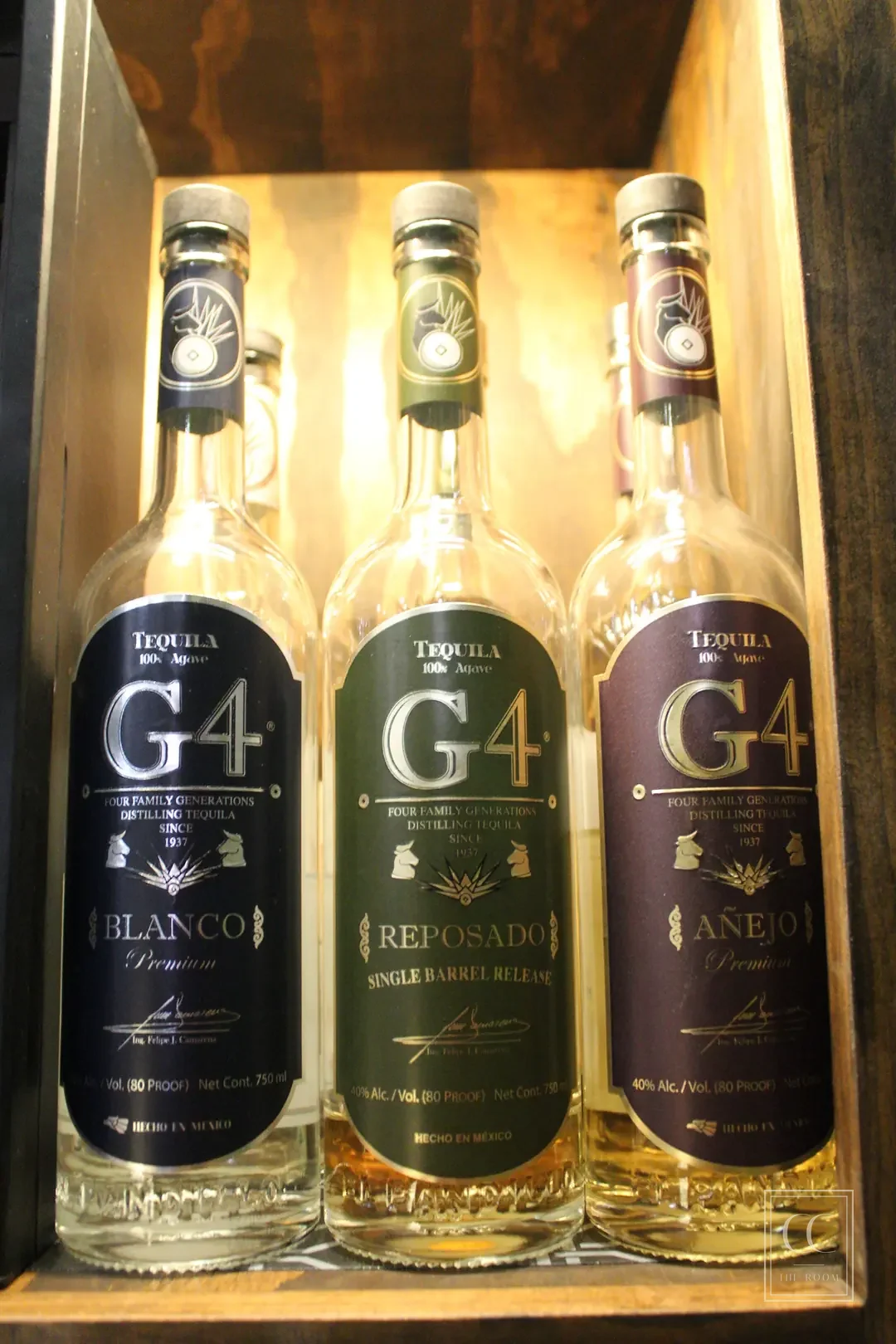
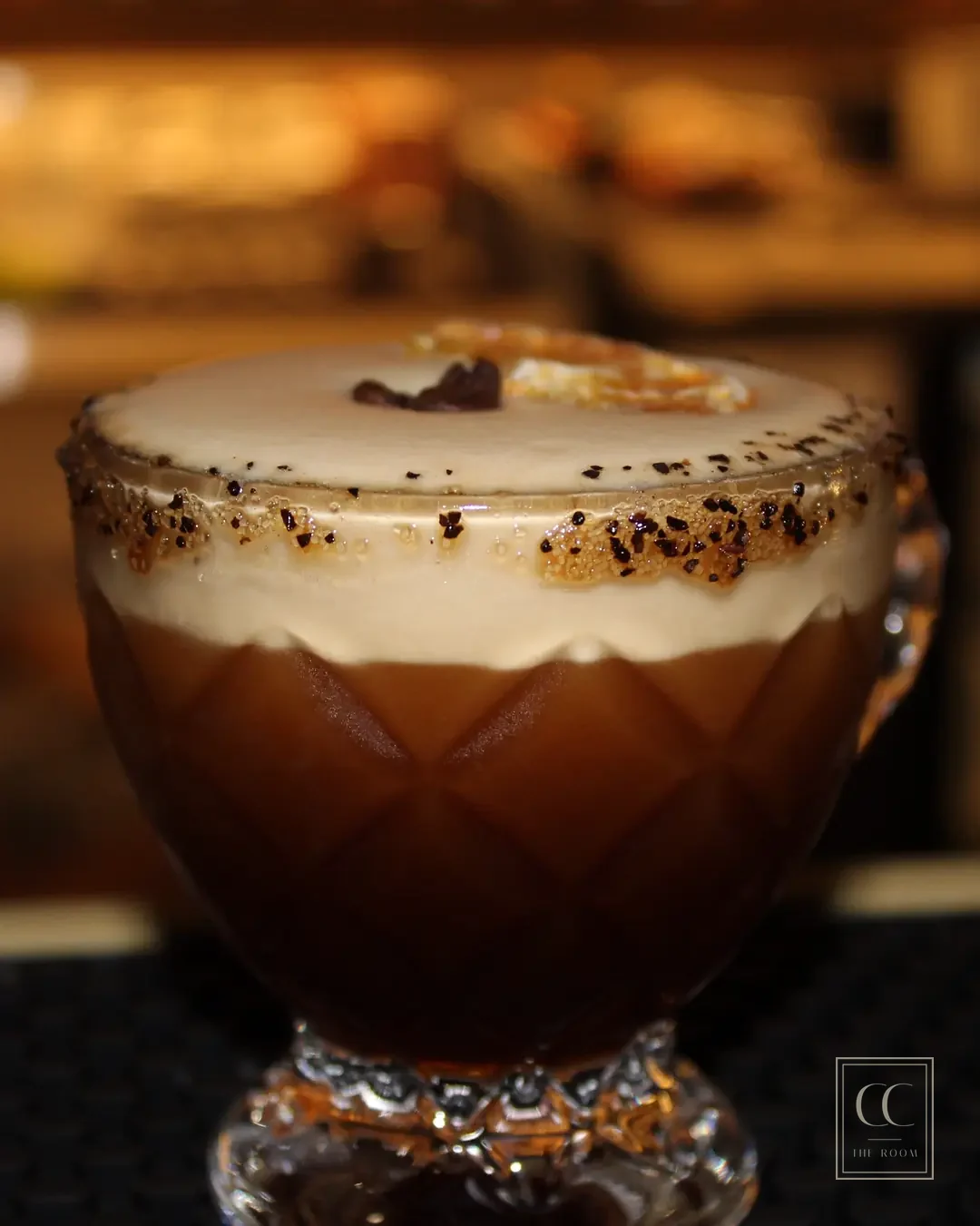
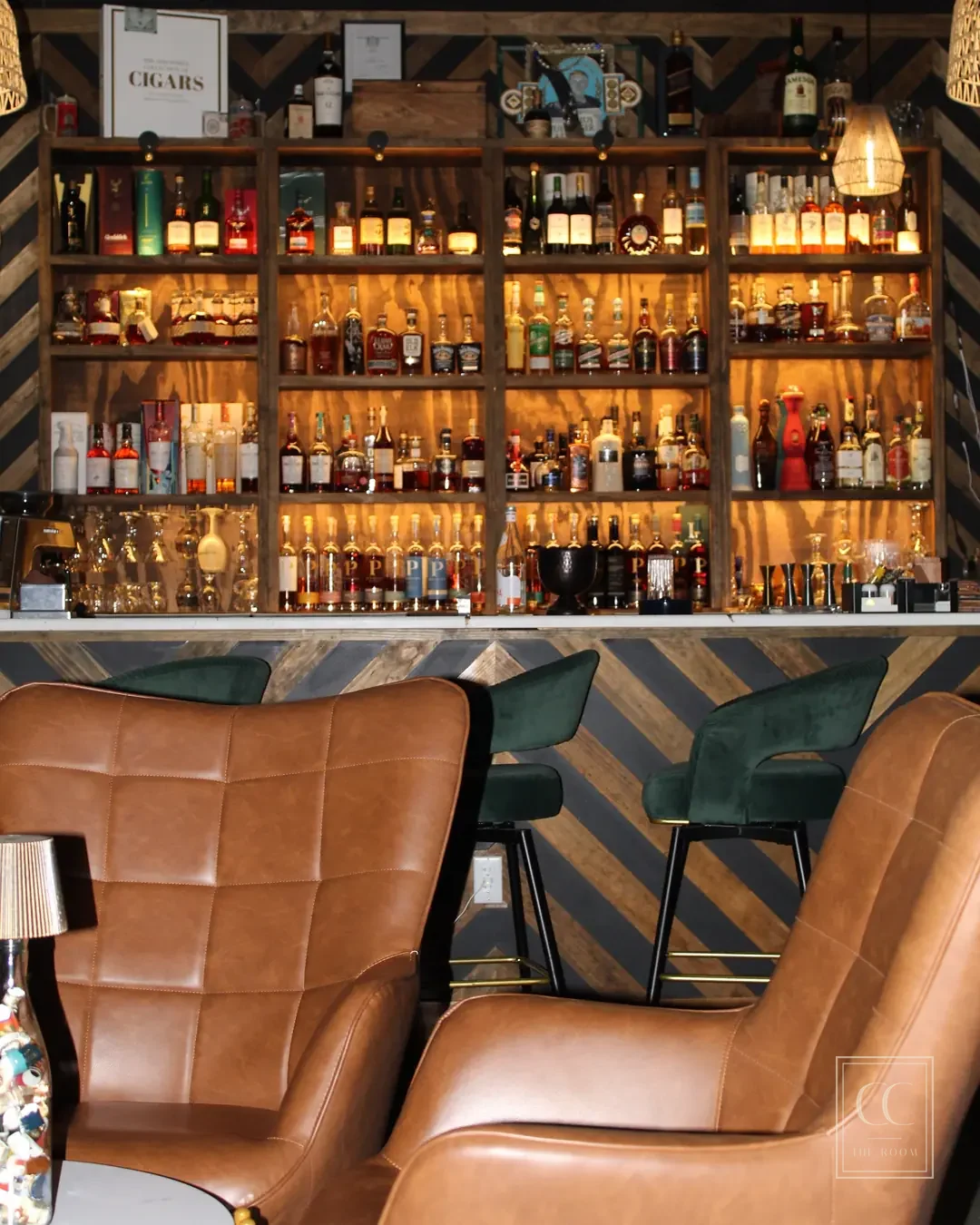
Pick up a bottle across the lot
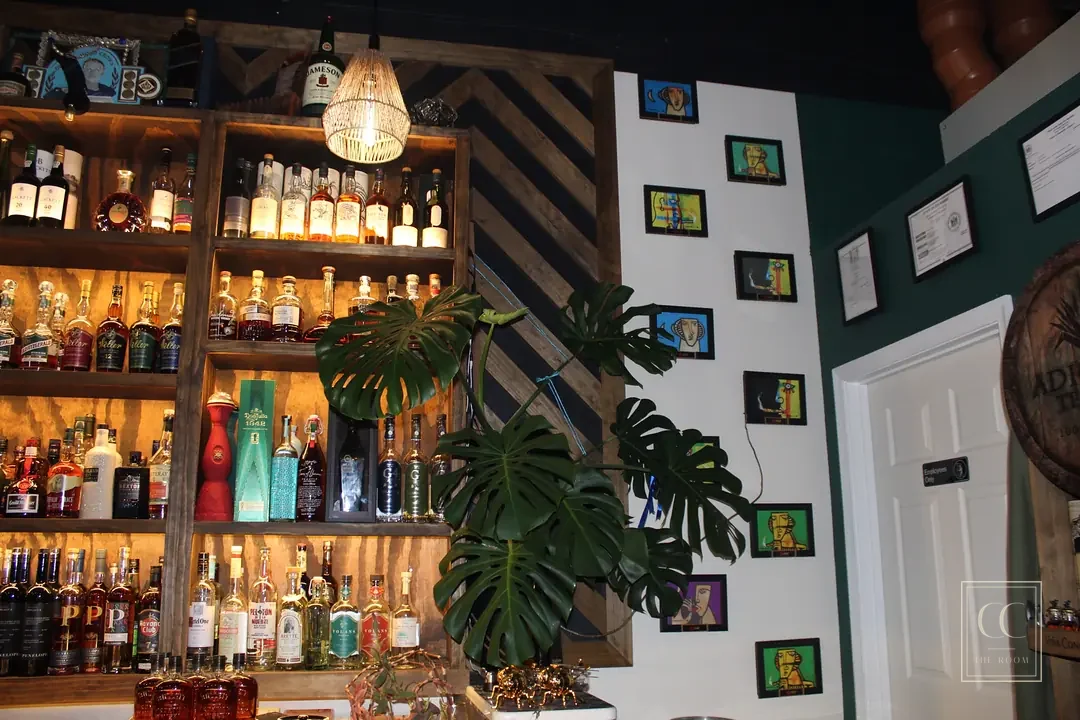
Ask us for a pairing, then pick up the bottle at Camden Liquor & Wine, our family's shop since 2010, right across the lot.
Please drink responsibly.
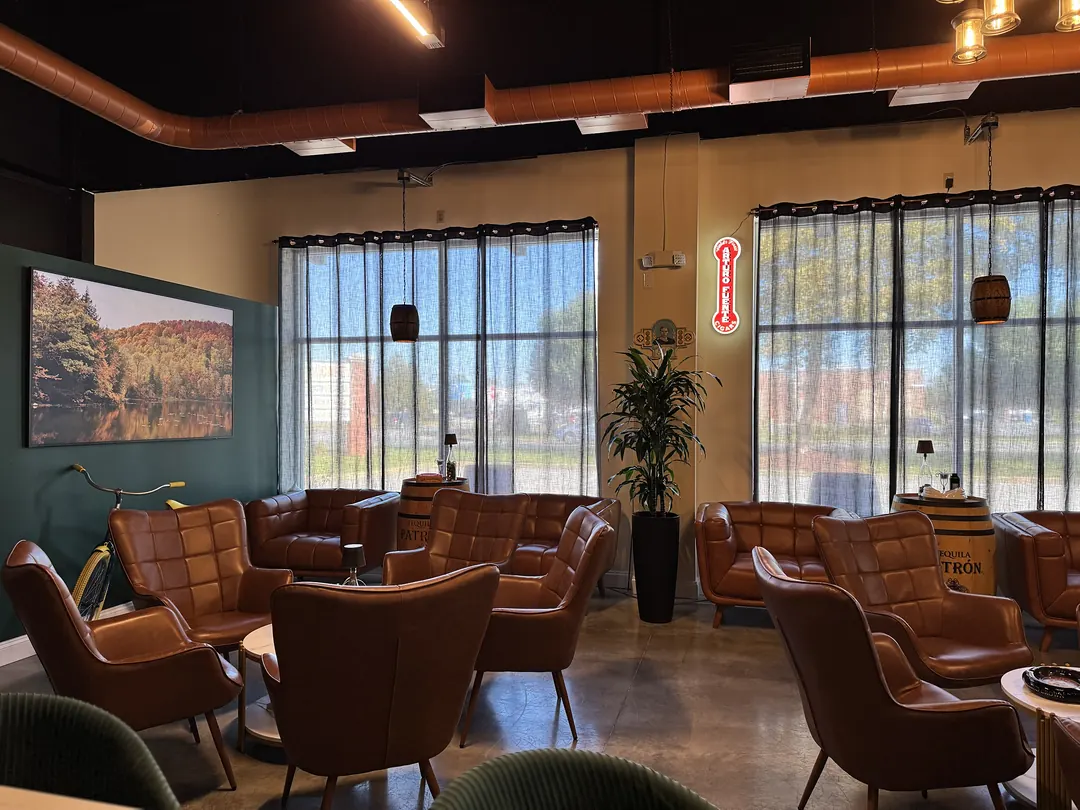
For the curious
Go deeper
Ten short reads, from the parts of a cigar to five centuries of history. Tap any one to open it.
Anatomy of a cigarCap, head, foot, and the three leaves inside
Anatomy of a cigar
- 1Cap. A small round of wrapper leaf that seals the head. You cut it to open the cigar.
- 2Head. The closed end, the one you draw from.
- 3Shoulder. Where the head curves into the body. Never cut past it.
- 4Band. Names the maker and the line. Leave it on until the cigar warms, then slide it off if you like.
- 5Body. The length of the cigar, and most of the smoking.
- 6Foot. The open end, the one you light.
- Wrapper. The outer leaf and the most prized on the farm. It carries much of the aroma and a good share of the flavor.
- Binder. A sturdy leaf that holds the filler together under the wrapper.
- Filler. The heart of the blend: leaves from different farms, years and countries, folded so air can pass through. Most of the strength lives here.
Long filler runs whole leaves the length of the cigar. Short filler uses chopped pieces and is common in machine-made cigars. A puro is made entirely of tobacco from one country.
Storing & agingHumidity, temperature, travel, and plume versus mold
Storing & aging
- Use a humidor. Too dry and cigars crack and burn hot. Too wet and they burn poorly and can mold.
- Season a new humidor first. Humidify the empty box for a few days so the wood doesn't pull moisture from your cigars.
- Use distilled water or two-way humidity packs, and check with a calibrated hygrometer.
- Cellophane protects the wrapper and slows changes in humidity. Some collectors remove it for long aging; either is fine.
- Rest before smoking. A few weeks in your humidor helps a cigar settle after travel. Many blends keep improving for years.
- Traveling? A sealed travel case or zip bag with a humidity pack keeps cigars happy for days.
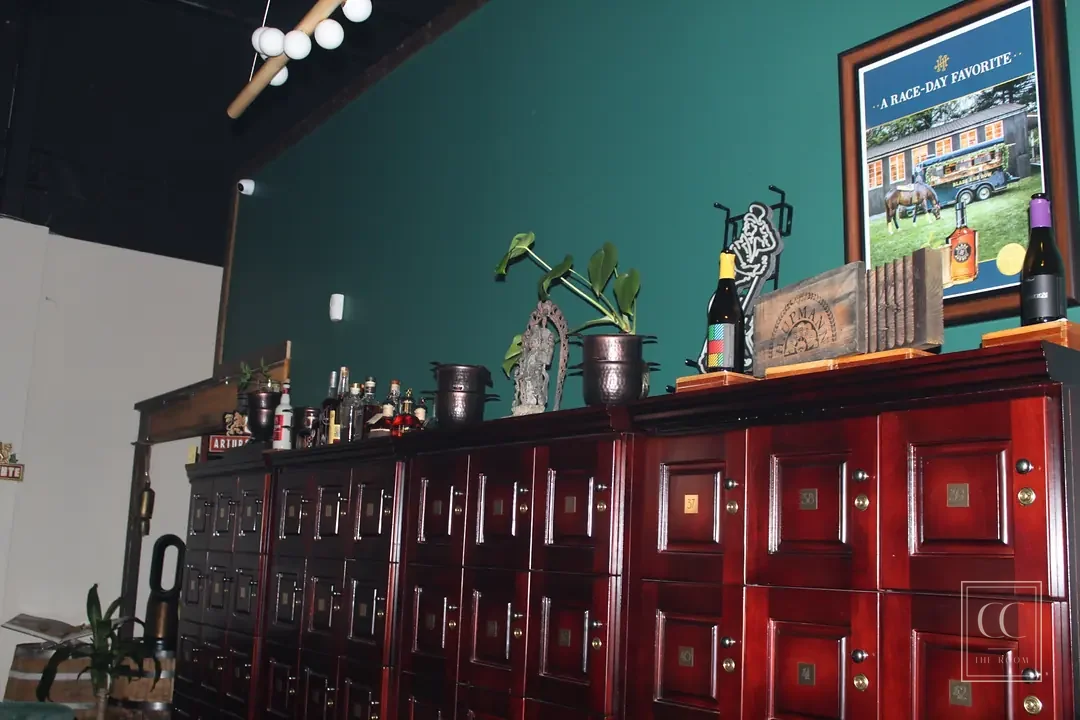
Plume or mold?
| Plume | Mold | |
|---|---|---|
| Looks like | Fine white powder, like dust | Fuzzy spots, white, blue or green |
| Wipe it | Brushes right off | Clings and stains the wrapper |
| Spreads | No | Yes, to nearby cigars |
| Smell | None | Musty |
| What to do | Nothing. It's harmless. | Remove those cigars, clean the humidor and fix the humidity |
Tiny holes or tobacco dust? That's the tobacco beetle. Seal the cigars in a bag and freeze them for three days, then move them to the refrigerator for a day before returning them to a clean humidor.
EtiquetteDiscretion, respect and good company, in any lounge
Etiquette
- Ask before lighting up around others, and choose a spot where your smoke won't bother anyone.
- Never stub out a cigar. Rest it in the ashtray and let it go out on its own.
- Keep the ash in the tray, and don't leave a lit cigar unattended.
- Bringing your own cigar? Ask first. Many lounges, ours included, welcome outside cigars with a cutting fee.
- Offer a light or a recommendation. Cigars have always been about conversation.
- Take your time. A cigar is meant to be slow.
- Discussions are healthy; arguments are not.
From seed to smokeNine steps and several years, from the seedbed to the cedar room
From seed to smoke
- 1
Seedbed
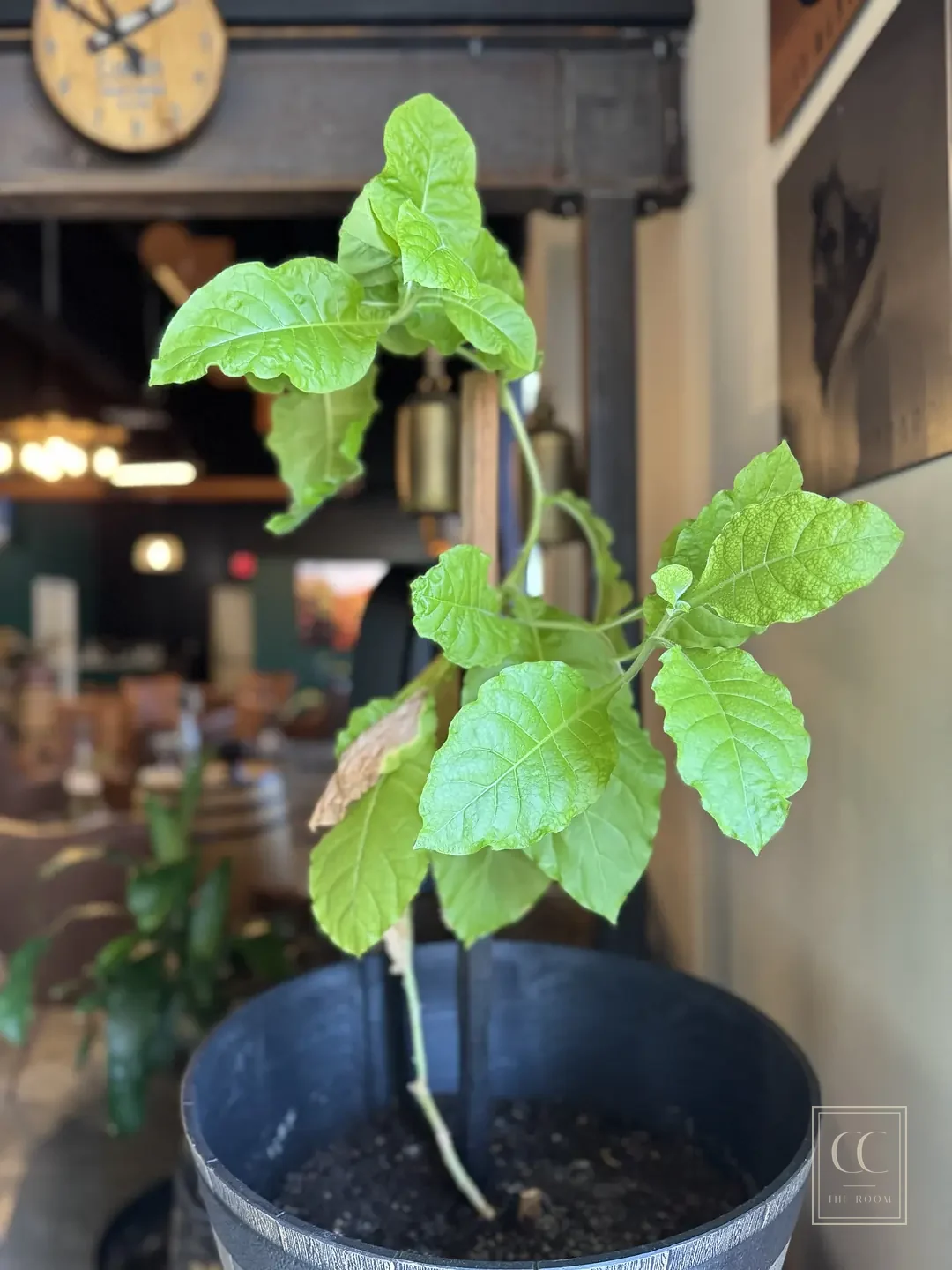
Tobacco seeds are almost as fine as dust. They sprout in protected beds, and after several weeks the seedlings move to the field.
- 2
Field
Wrapper is often grown under cloth to keep the leaf thin and silky: shade-grown. Leaf grown in full sun turns thicker and bolder: sun-grown.
- 3
Priming
Leaves are picked by hand a few at a time, from the bottom of the plant up, as each level ripens.
- 4
Curing
Hung in tall barns, the leaves dry slowly for several weeks, turning from green to gold to brown.
- 5
Fermentation
Stacked in large piles called pilones, the leaves warm and ferment. The piles are turned so the heat stays even, which drives off harshness and deepens the flavor.
- 6
Aging
Baled and stored, the leaf rests for months, often years, before it's ready to blend.
- 7
Blending
The blender chooses leaves by type, farm, year and priming to build a flavor that tastes the same, box after box.
- 8
Rolling
A buncher wraps the filler in the binder and sets it in a wooden mold. A roller, the torcedor, then wraps it in the wrapper leaf with a crescent-shaped blade called a chaveta and caps the head.
- 9
Resting
Finished cigars rest in cedar-lined rooms so the blend can settle, then they're checked, banded and boxed.
Where the leaf grows matters
A tobacco plant is harvested in levels called primings, and each level brings something different to the blend.
- Ligero grows at the top and gets the most sun. Thick and oily, it carries the most strength and burns slowly, so it's rolled into the center of the cigar.
- Seco grows in the middle. It's prized for flavor and aroma.
- Volado grows near the ground. Thin and mild, it helps the cigar burn well.
Where tobacco growsNicaragua, the Dominican Republic, Cuba and six more, and what each brings
Where tobacco grows
Nicaragua
Volcanic soil and bold, peppery tobacco. In 2017, Nicaragua became the largest source of premium cigars imported into the United States.
Dominican Republic
Home to many of the world's most famous factories, and known for elegant, balanced blends. Fuente's OpusX, launched in 1995, proved its soil could grow world-class wrapper too.
Honduras
Earthy, robust tobacco, and today the main home of Corojo leaf.
Cuba
The most celebrated tobacco land in the world. Cuban cigars can't be sold in the United States; see Cuban cigars: the facts.
Ecuador
Steady cloud cover acts as natural shade, and volcanic ash enriches the soil. Ideal for silky wrapper leaf.
Mexico
Dark, thick leaf, most famous as maduro wrapper.
United States
Connecticut shade wrapper grown under cloth since 1901, plus hearty broadleaf for maduros.
Brazil
Dark, naturally sweet tobacco, used in many maduros.
Cameroon
A thin, prized wrapper with a gentle, spicy sweetness.
The great makersFifteen families and houses worth knowing
The great makers
Arturo Fuente
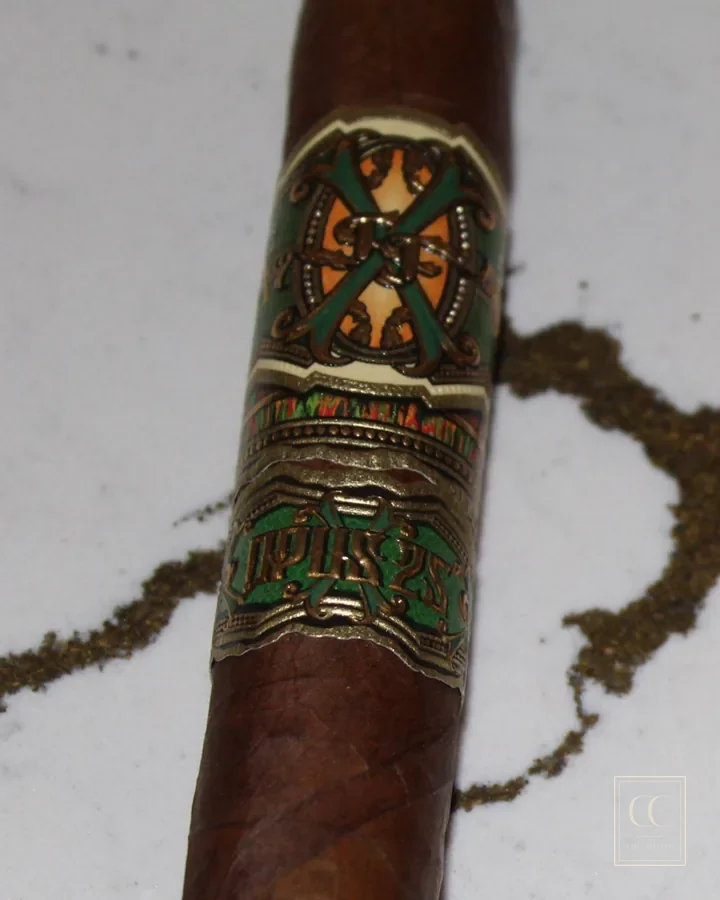
Founded in West Tampa by Cuban émigré Arturo Fuente, and rolled in Santiago, Dominican Republic, since 1980. The Fuente Fuente OpusX (1995) is a legend. The family also makes Ashton. Fuente is our Friday feature.
Padrón
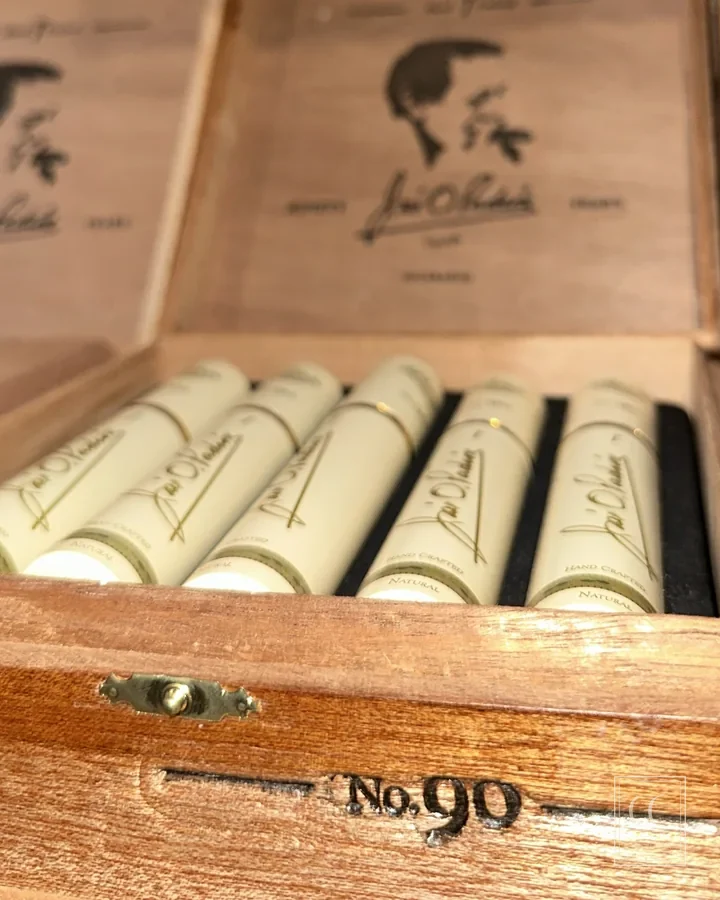
Founded in Miami by José Orlando Padrón, who moved production to Estelí, Nicaragua, in 1970. The box-pressed 1964 Anniversary Series and Serie 1926 are all-Nicaraguan, with numbered bands.
Oliva
The Oliva family has grown tobacco since 1886, when Melanio Oliva planted in Cuba's Pinar del Río. Rolled in Estelí; Serie V is the flagship.
My Father
The García family: master roller José “Pepín” García and his son Jaime, rolling in Estelí. Le Bijou 1922 was Cigar Aficionado's Cigar of the Year for 2015.
Drew Estate
Jonathan Drew began with a cigar kiosk in New York's World Trade Center and founded Drew Estate with Marvin Samel. Liga Privada, Undercrown and ACID are rolled at La Gran Fábrica in Estelí.
La Flor Dominicana
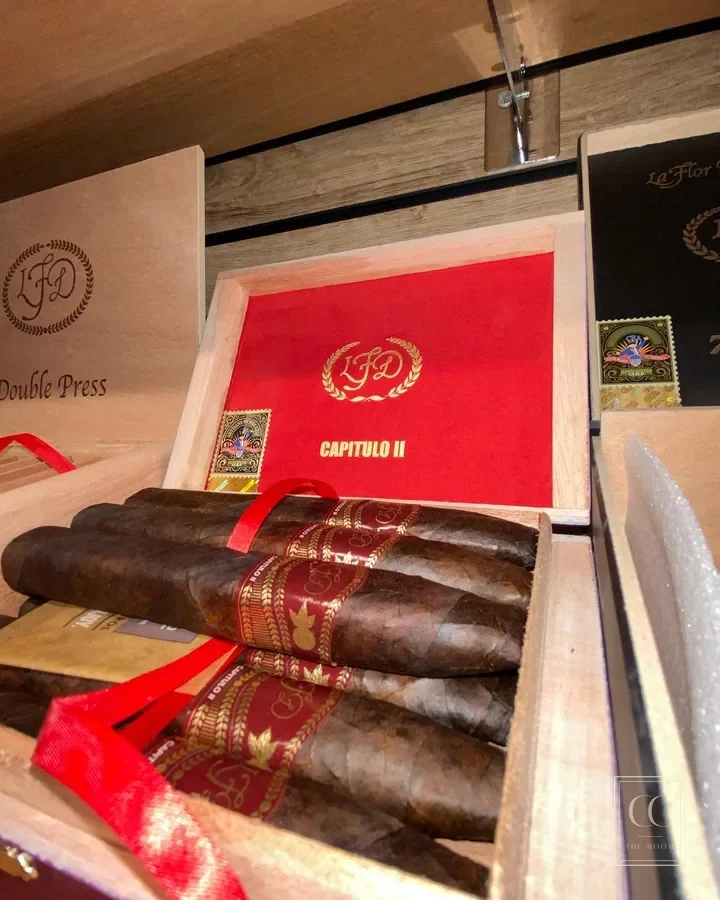
Litto Gomez and family grow their own tobacco at La Canela and roll in Tamboril. Known for powerful blends and the Chisel. The Andalusian Bull was Cigar Aficionado's Cigar of the Year for 2016.
Davidoff
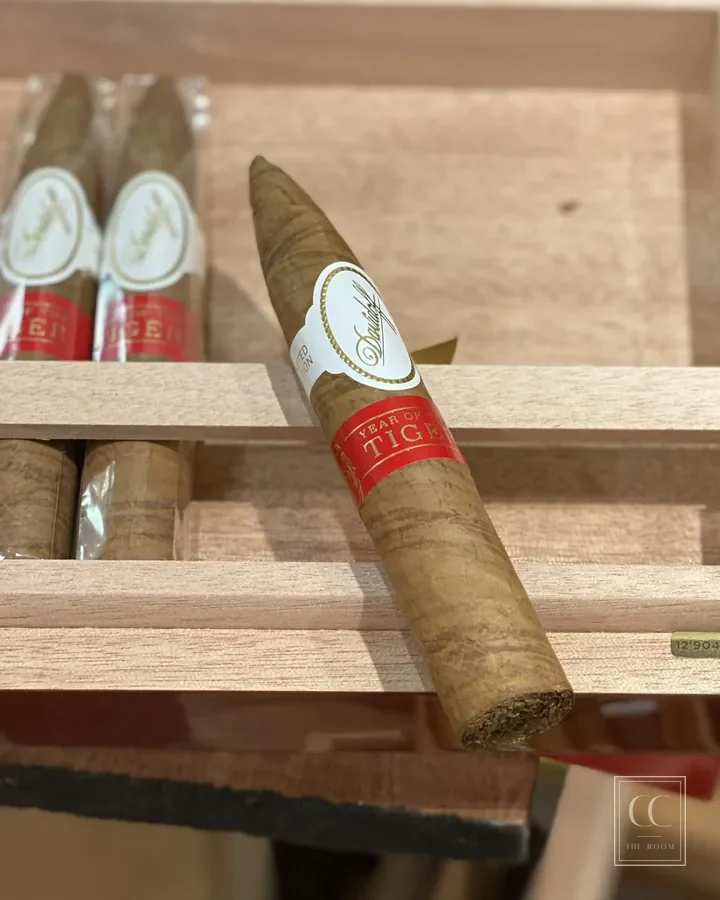
Born in the tobacco shop the Davidoff family opened in Geneva after arriving in 1911, and made famous by Zino Davidoff. Made in the Dominican Republic since 1990. Refined and elegant.
Joya de Nicaragua
The oldest cigar brand made in Nicaragua. The Antaño 1970 is its signature.
Perdomo
Started by Nick Perdomo Jr. in a Miami garage, carrying on his grandfather Silvio's Cuban craft. Rolled in Estelí.
Rocky Patel
A Los Angeles lawyer who turned cigar maker during the boom of the 1990s. Rolled near Danlí, Honduras, and in Estelí. The Vintage, Decade and Edge lines made the name.
AJ Fernandez
Abdel J. Fernández, whose grandfather blended at Cuba's San Lotano factory, came to Estelí in the early 2000s. Known for San Lotano, New World and Enclave.
Plasencia
Tobacco growers since 1865 in Cuba's Vuelta Abajo, and behind the leaf of many famous brands. The family's own Plasencia cigars arrived in 2017.
E.P. Carrillo
Ernesto Perez-Carrillo, whose family made La Gloria Cubana in Miami, started anew in 2009. The Encore Majestic was Cigar Aficionado's Cigar of the Year for 2018.
CAO
Founded by Istanbul-born Cano A. Ozgener, who began with meerschaum pipes. The first CAO cigar, made in Honduras, arrived in 1995. Known for bold, inventive blends.
Macanudo
General Cigar's Jamaica-born brand, made in the Dominican Republic since 2000. By the early 1990s it was America's best-selling premium cigar. The Café, in Connecticut shade, is a classic mild smoke.
About the famous Cuban names
H. Upmann (1844), Partagás (1845), Hoyo de Monterrey (1865), Romeo y Julieta (1875), Montecristo (1935) and Cohiba (1966) were born in Havana. After the embargo, U.S. versions of many of these names were created and are made in the Dominican Republic or Honduras.
They're different cigars with their own blends, and the only versions legally sold here. The Cohiba sold in America, for example, is made by General Cigar in the Dominican Republic.
Our humidor holds more than 400 varieties. Tell us a name you like, and we'll show you what else to try.
Cuban cigars: the factsThe embargo, the rules for travelers and how to spot a fake
Cuban cigars: the facts
- The legend. Cuba's Vuelta Abajo is the most celebrated tobacco land on earth, and Havana's great houses defined the classic cigar.
- The embargo. The U.S. embargo has kept Cuban cigars off American shelves since 1962.
- Not even as a souvenir. Since September 2020, Americans can't legally bring Cuban cigars home, even when they're bought in another country.
- Beware of fakes. A “Cuban” offered for sale in the U.S. is either illegal or counterfeit, and counterfeits are everywhere. Odd prices, poorly printed bands, cheap boxes and sloppy rolling are giveaways.
- The good news. Superb cigars come from the Dominican Republic, Nicaragua and Honduras, many made by families who left Cuba and brought its craft with them.
As the story goes
The night before he signed the embargo in February 1962, President Kennedy is said to have asked his press secretary, Pierre Salinger, to round up as many H. Upmann Petit Upmanns as he could. By morning Salinger had found about 1,200. Only then did the President sign.
Myths & factsNine things people get wrong about cigars
Myths & facts
MythDarker cigars are stronger.
FactColor comes from the wrapper's sun, curing and fermentation. Strength comes mostly from the filler. A maduro can be mild.
MythYou're supposed to inhale.
FactCigar smoke is for tasting. Draw it into your mouth, savor it and let it go.
MythA thicker cigar is a stronger cigar.
FactA thick cigar holds more filler and smokes cooler, but it isn't automatically stronger. The blend decides.
MythRelighting ruins a cigar.
FactBlow gently through it to clear the stale smoke, toast the foot and relight. It'll be fine.
MythWhite dust means it's moldy.
FactNot necessarily. Plume is a harmless powder of tobacco oils that brushes right off. Mold is fuzzy, colored and clings.
MythCuban is always best.
FactSome of the world's finest cigars come from the Dominican Republic, Nicaragua and Honduras, many from families who brought their craft from Cuba.
MythCigars last forever.
FactKept at steady humidity, they can age beautifully for years. Left out in the open, they start drying out within days.
MythFlavored cigars aren't real cigars.
FactMany are hand-rolled from premium tobacco, then infused with flavors like vanilla, coffee or rum. Plenty of seasoned smokers enjoy them, and they have a full wall in our humidor.
MythThe priciest cigar is the best one.
FactRarity, aging and craftsmanship all play a part, but the best cigar is the one you enjoy. Plenty of everyday cigars are superb.
A brief historyFive centuries, from the Taíno to today
A brief history
- 1492
In Cuba, two of Columbus's crewmen, Rodrigo de Jerez and Luis de Torres, watch Taíno people smoke tobacco rolled in leaves. Jerez carries the habit home to Spain. The word cigar likely comes from sikar, the Maya word for smoking.
- 1844
Havana's great houses are born: H. Upmann (1844), Partagás (1845), Hoyo de Monterrey (1865) and Romeo y Julieta (1875).
- 1865
Readers, or lectores, begin reading the news and novels aloud to the rollers in Cuban factories.
- 1885
Vicente Martínez Ybor founds Ybor City in Tampa. By 1929 its factories roll some 500 million cigars a year, and Tampa becomes Cigar City.
- 1901
The first Connecticut shade tent goes up in Windsor, Connecticut.
- 1912
Arturo Fuente opens in West Tampa.
- 1935
Montecristo is founded in Havana, named for The Count of Monte Cristo, a favorite of the factory readers.
- 1962
The U.S. embargo on Cuba. Cuban growers and rollers carry their craft to Miami, the Dominican Republic, Honduras and Nicaragua. Padrón opens in Miami in 1964, and Joya de Nicaragua, the country's oldest cigar brand, follows in 1968.
- 1992
Cigar Aficionado magazine launches, and the cigar boom of the 1990s follows.
- 1995
The Fuente Fuente OpusX is released, made entirely of Dominican tobacco, wrapper included.
- 2014
Camden Cigars opens its doors.
- 2017
Nicaragua becomes the largest source of premium cigars imported into the United States.
- 2020
Americans may no longer bring Cuban cigars home from abroad.
GlossaryFifty-five words you'll hear in the humidor
Glossary
- Aging room
- A cedar-lined room where finished cigars rest before they're boxed.
- Band
- The printed paper ring that names the maker and the line.
- Belicoso
- A cigar with a short, tapered head.
- Binder
- The leaf that holds the filler together under the wrapper.
- Box-pressed
- Pressed into a soft square shape.
- Broadleaf
- A hearty, sun-grown leaf, a classic for maduro wrappers.
- Bunch
- The filler rolled in its binder, before the wrapper goes on.
- Candela
- A green wrapper, dried quickly to keep its color. Also called double claro.
- Cap
- The round of wrapper leaf that seals the head.
- Cedar spill
- A thin strip of cedar used to light a cigar.
- Chaveta
- The crescent-shaped blade a roller uses to cut wrapper leaf.
- Churchill
- A long classic, about 7 × 47.
- Claro
- A pale tan wrapper.
- Colorado
- A reddish-brown wrapper.
- Corojo
- A Cuban-born tobacco, now grown mainly in Honduras, known for spice.
- Corona
- The benchmark size, about 5½ × 42.
- Culebra
- Three slim cigars braided together.
- Curing
- Drying harvested leaves slowly in a barn.
- Draw
- How easily air passes through a cigar.
- Fermentation
- Letting piled tobacco warm and mellow, which drives off harshness and deepens flavor.
- Figurado
- Any shaped cigar that isn't straight-sided.
- Filler
- The blend of leaves at the heart of a cigar.
- Foot
- The end you light.
- Gordo
- A thick cigar, usually a 60 ring or more.
- Habano
- Cuban-seed tobacco grown outside Cuba. In Cuba, the word means a Cuban cigar.
- Head
- The closed end, the one you draw from.
- Humidor
- A box, cabinet or room that keeps cigars at steady humidity.
- Hygrometer
- A gauge that measures humidity.
- Lancero
- A long, slim cigar, about 7½ × 38. Also called a panetela.
- Lector
- A reader who reads aloud to rollers on the factory floor.
- Ligero
- Thick, strong leaves from the top of the plant.
- Long filler
- Whole leaves running the length of the cigar.
- Maduro
- A dark brown wrapper, fermented longer for sweetness. Spanish for mature.
- Oscuro
- The darkest wrapper, nearly black.
- Parejo
- A straight-sided cigar.
- Perfecto
- A cigar tapered at both ends.
- Pilón
- A large pile of fermenting tobacco.
- Plume
- A harmless white powder of tobacco oils that brushes off. Also called bloom.
- Priming
- A level of leaves on the plant, harvested together.
- Puro
- A cigar made entirely of tobacco from one country.
- Retrohale
- Letting a little smoke out through the nose to pick up aroma.
- Ring gauge
- A cigar's diameter in 64ths of an inch.
- Robusto
- A short, thick favorite, about 5 × 50.
- Seco
- Leaves from the middle of the plant, prized for flavor and aroma.
- Shade-grown
- Grown under cloth for a thin, silky leaf.
- Short filler
- Chopped pieces of leaf, common in machine-made cigars.
- Shoulder
- Where the head curves into the body.
- Sun-grown
- Grown in full sun for a thicker, bolder leaf.
- Torcedor
- A cigar roller.
- Toro
- A longer robusto, about 6 × 52.
- Torpedo
- A cigar with a pointed head.
- Tunneling
- When the center of a cigar burns faster than the outside.
- Vitola
- A cigar's shape and size.
- Volado
- Thin leaves from the bottom of the plant that help a cigar burn.
- Wrapper
- The outer leaf of a cigar.
No matching words. Ask us in the shop.
The Humidor Weekly
New arrivals, limited releases and the week's features, every Thursday.
Come see us
The humidor is open
More than 400 varieties, kept in condition, and a team that's happy to help you choose.

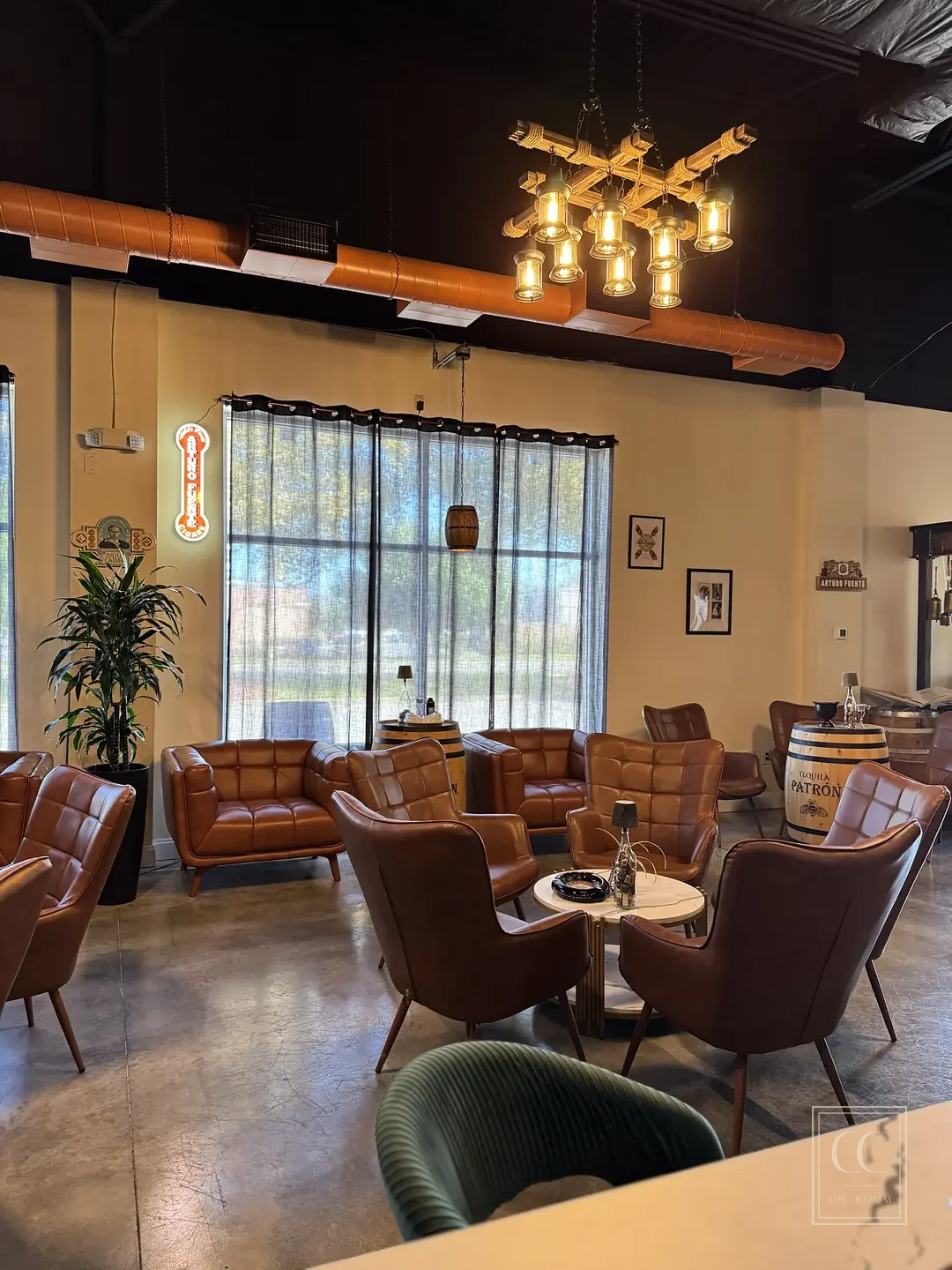
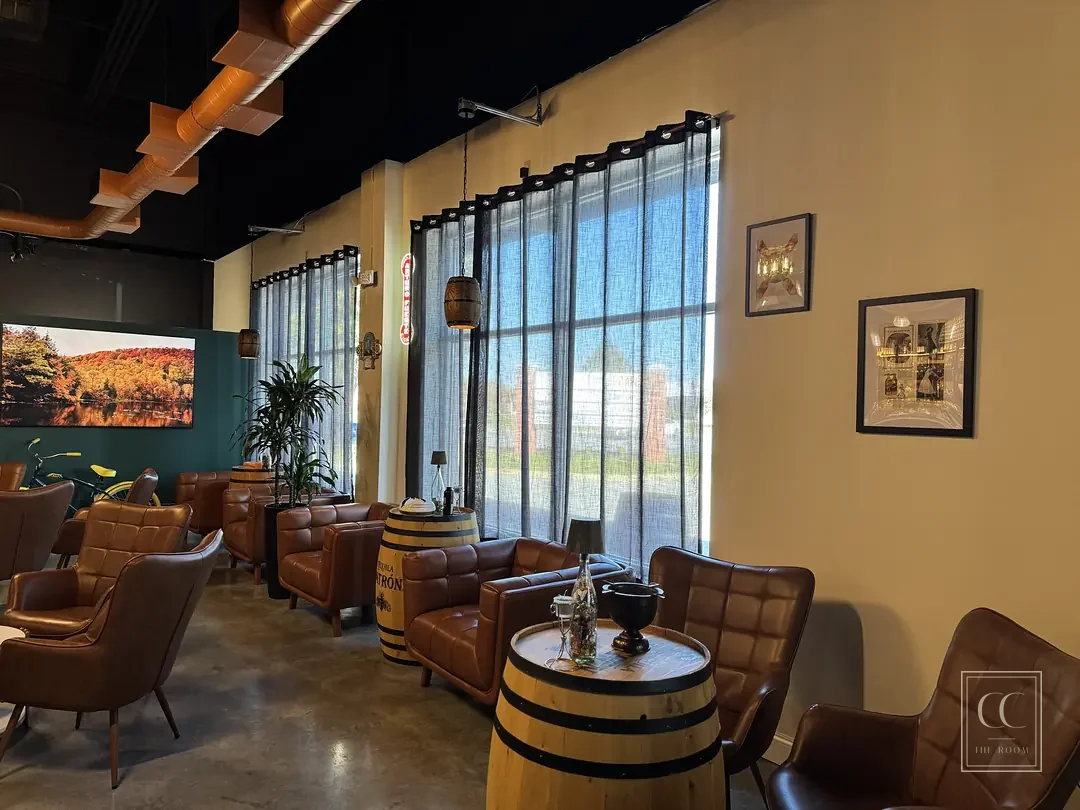
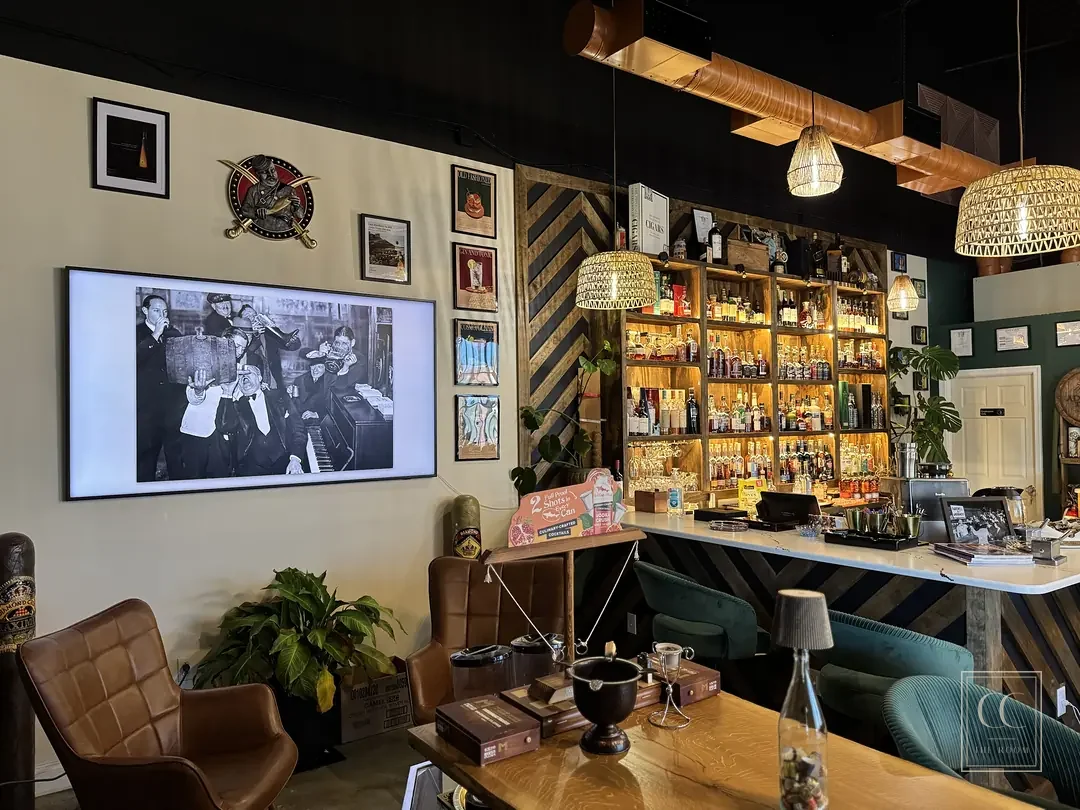
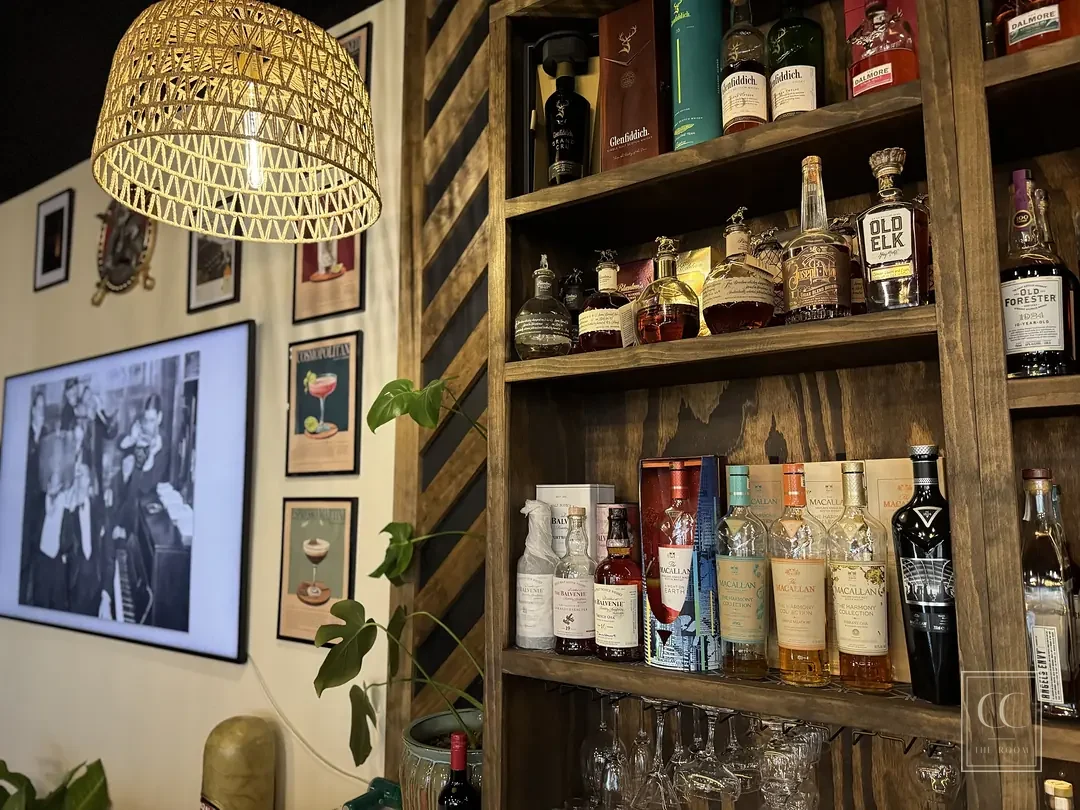
A place to enjoy it
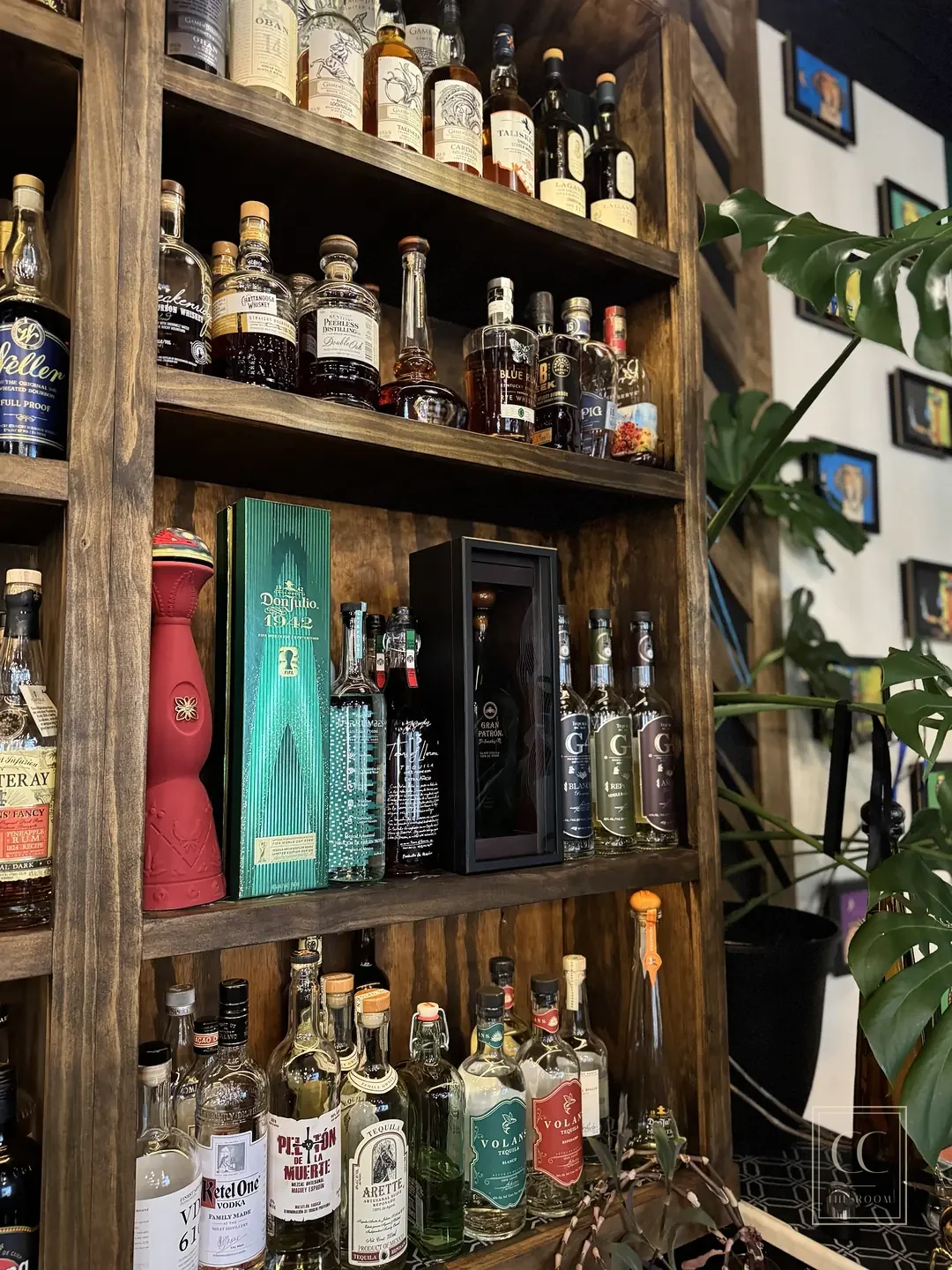
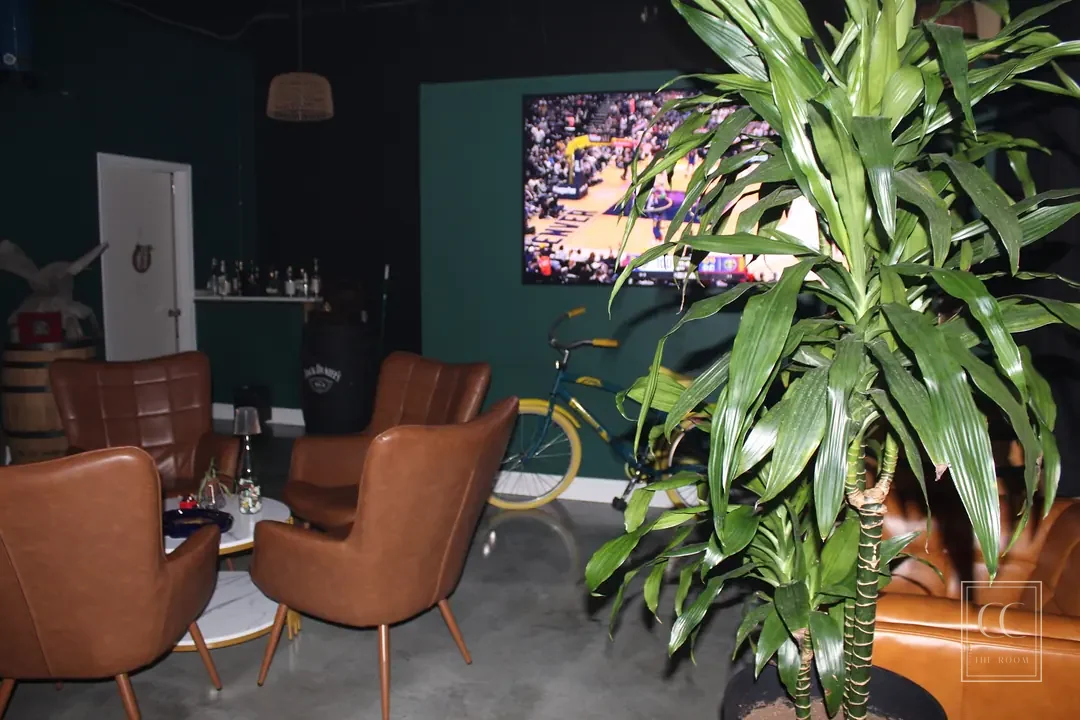
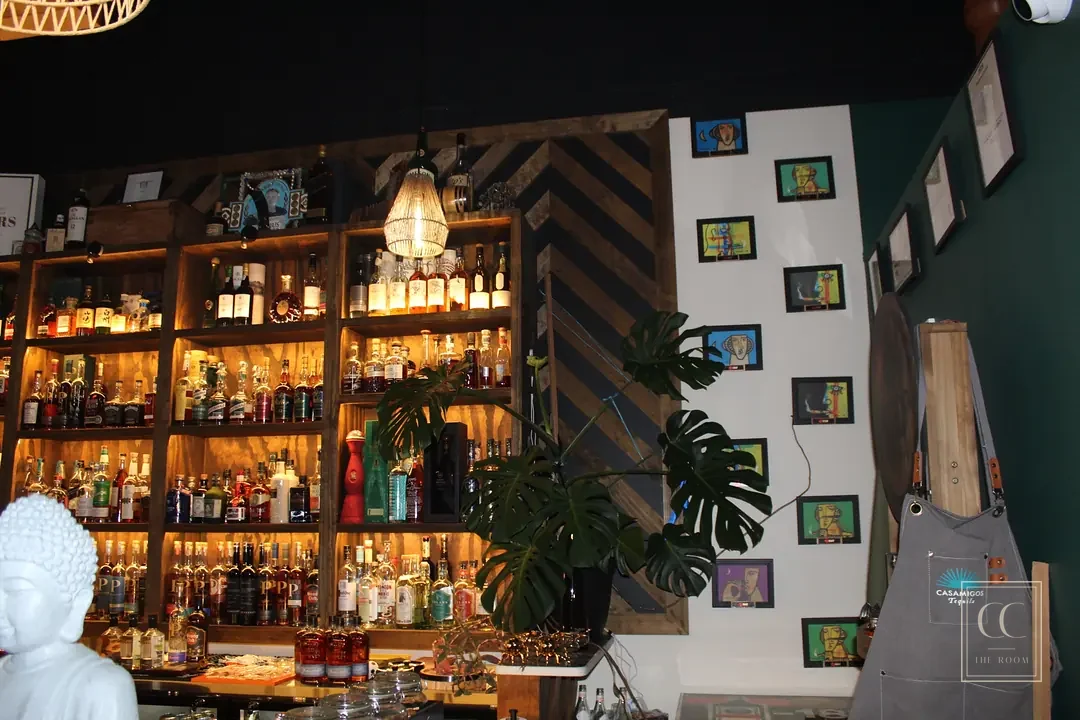
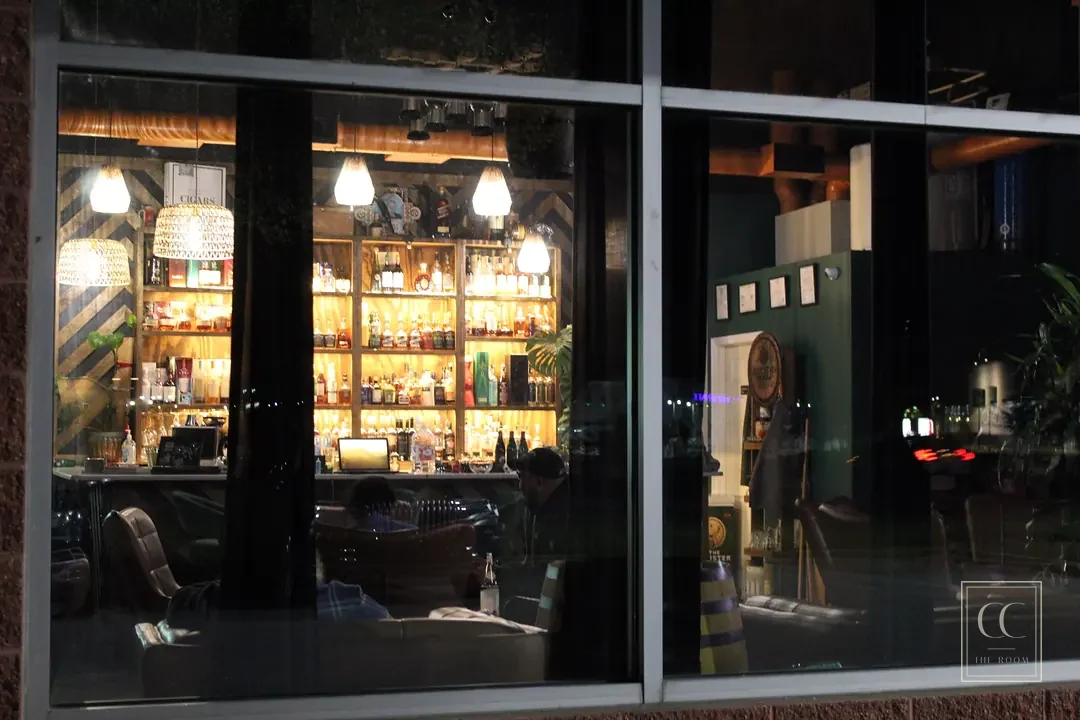
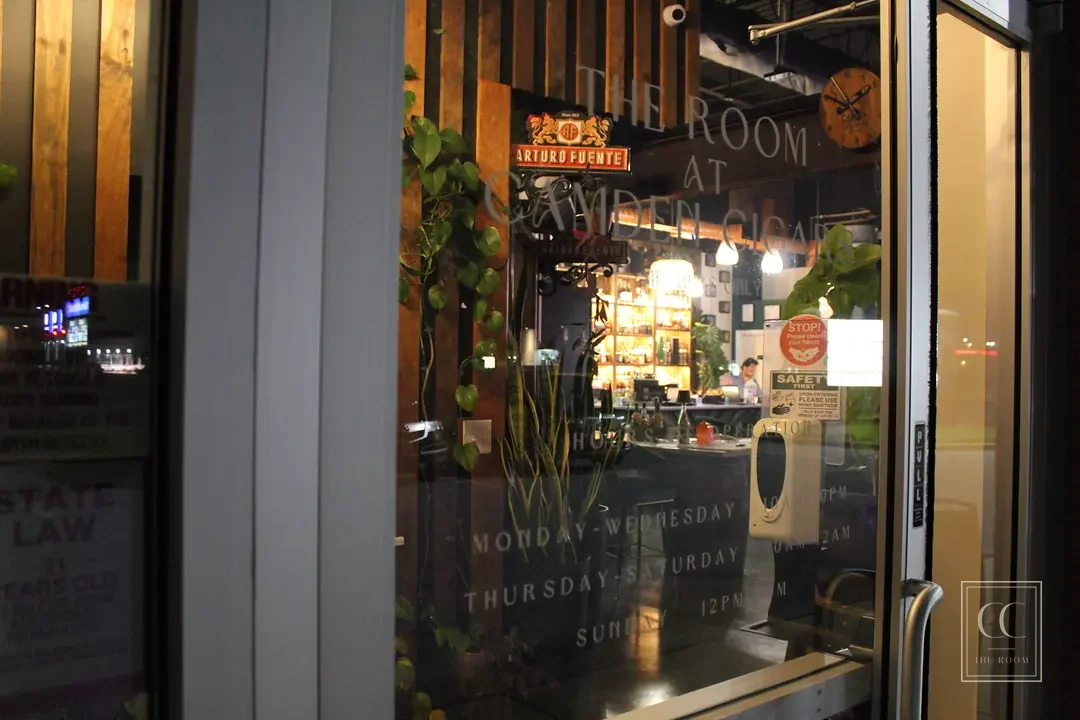
The Room at Camden Cigars is our private lounge, bar & speakeasy, by membership.
A look inside The Room


Cigars are for adults 21 and over. They contain nicotine, and smoking carries real health risks, even without inhaling. Enjoy them slowly, and in moderation.